
Yanco Battery Energy Storage System
Connecting foundation behaviour with soil thermal performance
- Sector
- Renewable energy
- Location
- Riverina, New South Wales
- Engagement
- ACLE Services
- Report scope
- Supplementary factual and interpretive geotechnical report
THE PROJECT
Yanco is a proposed 250 MW / 1,000 MWh battery energy storage system in the Riverina region of New South Wales. A BESS stores electricity for later delivery to the grid; the stated power and storage capacity represent a four-hour system. ACLE Services engaged Yarra Geotechnics to undertake supplementary investigation and reporting for the project.
The challenge
The Yanco battery-storage development needed ground information for equipment foundations, civil works and buried electrical infrastructure. The site’s alluvial setting required assessment of soil variability and its implications for bearing behaviour, movement and earthworks. Earlier investigation information was already available, so the supplementary commission also needed to consider how the new findings related to the existing record. A consistent ground model was important to bring that evidence into the next stage of design.
Thermal performance introduced a different aspect of soil behaviour. Materials surrounding buried electrical infrastructure transfer heat differently as moisture content changes, and a field measurement represents the conditions at the time of testing. The assessment therefore needed both in-situ evidence and laboratory investigation of drying behaviour. Questions about compaction, material reuse, dispersivity and aggressivity also formed part of the wider programme. Yarra’s task was to connect these material characteristics with practical recommendations for the project’s structural, civil and electrical design needs.
Our approach
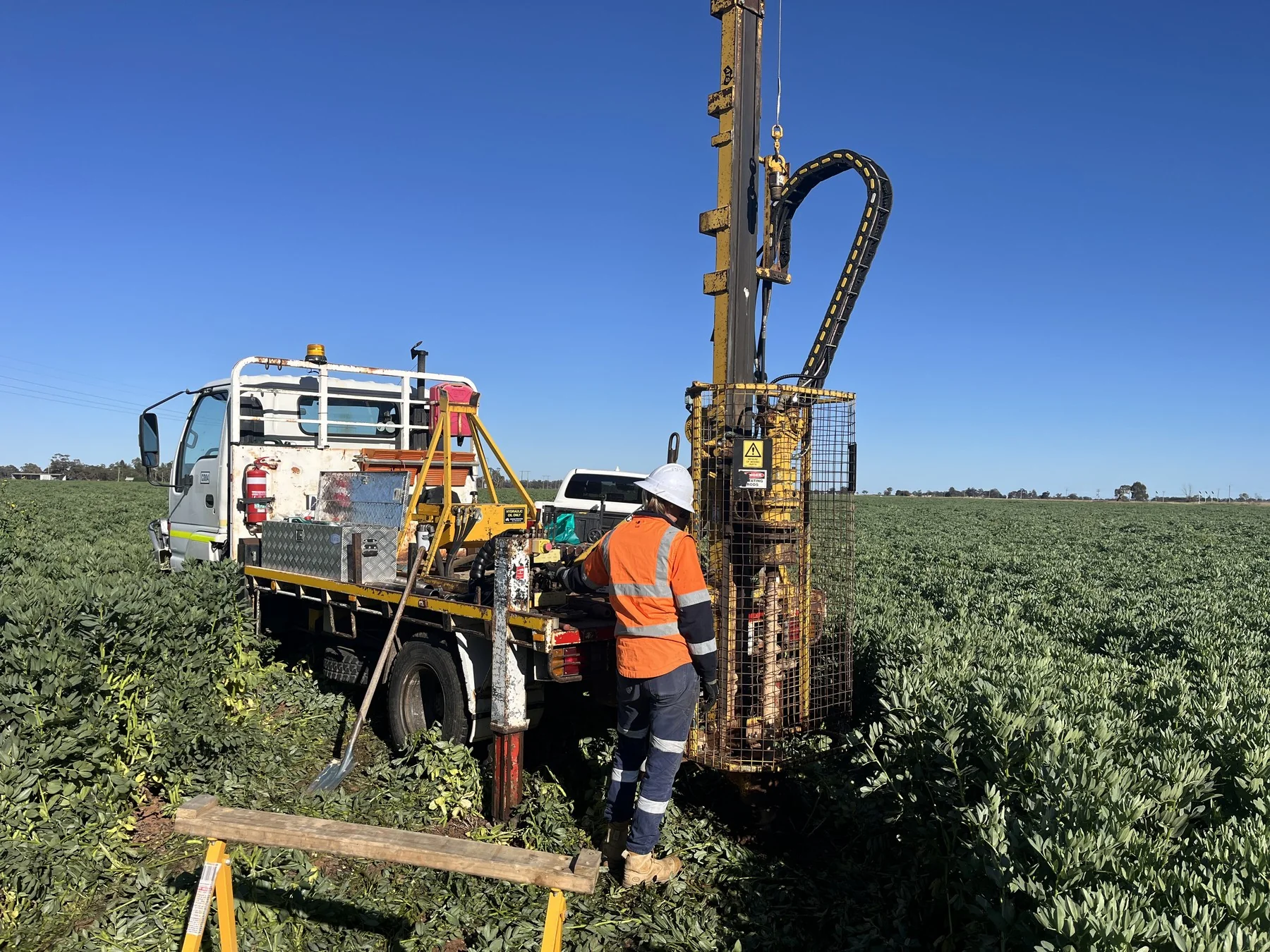
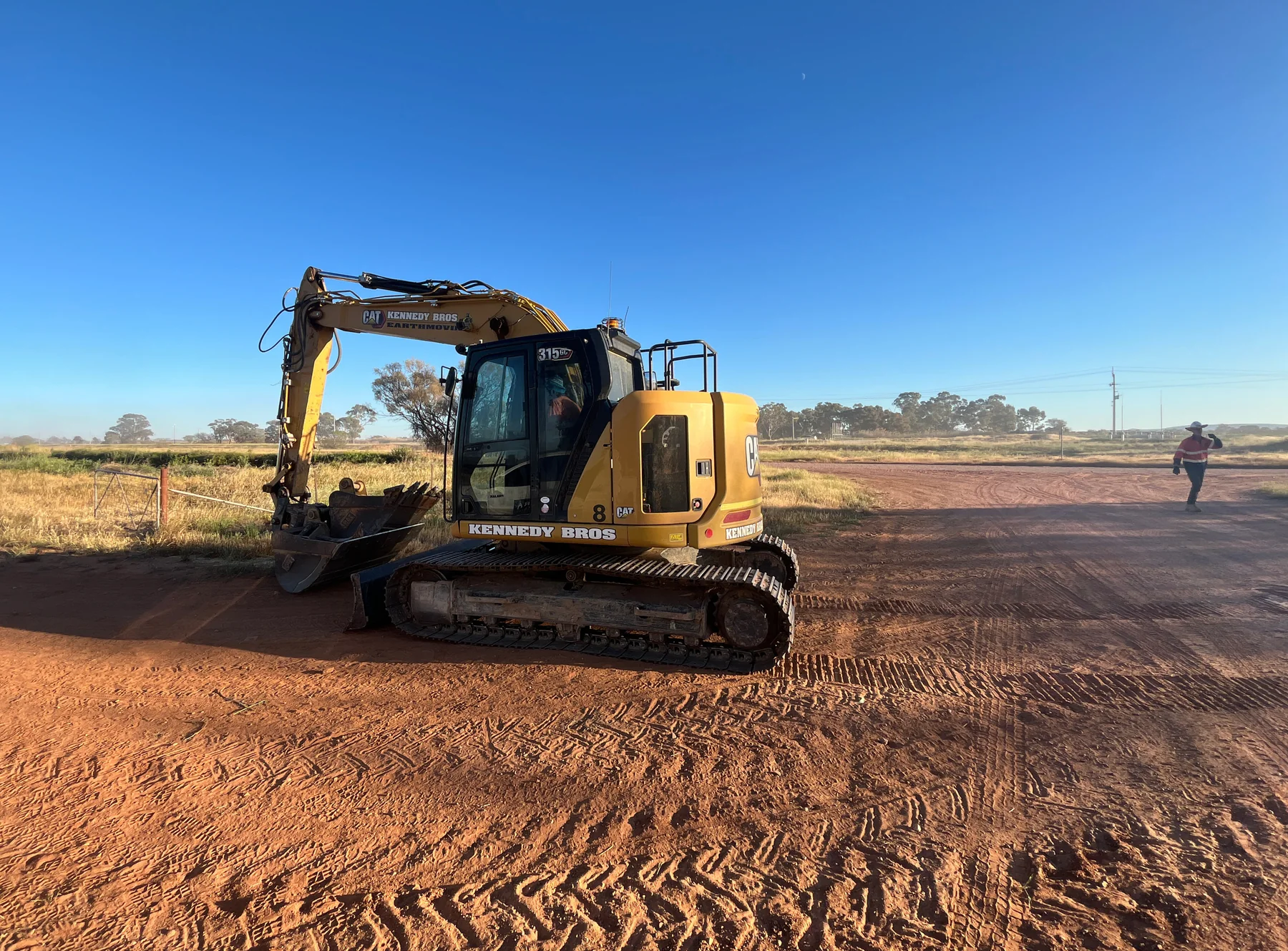
Yarra coordinated and supervised borehole and test-pit investigations, with Standard Penetration Tests, U63 push-tube sampling and pocket penetrometer checks supporting the ground assessment. Engineering logs and laboratory results were reviewed alongside the earlier investigation information, retaining the distinction between the previous work and Yarra’s supplementary programme. The combined evidence informed a ground model and recommendations for foundations, earthworks and pavement subgrades, with attention to material strength, reactivity, compaction and aggressivity.
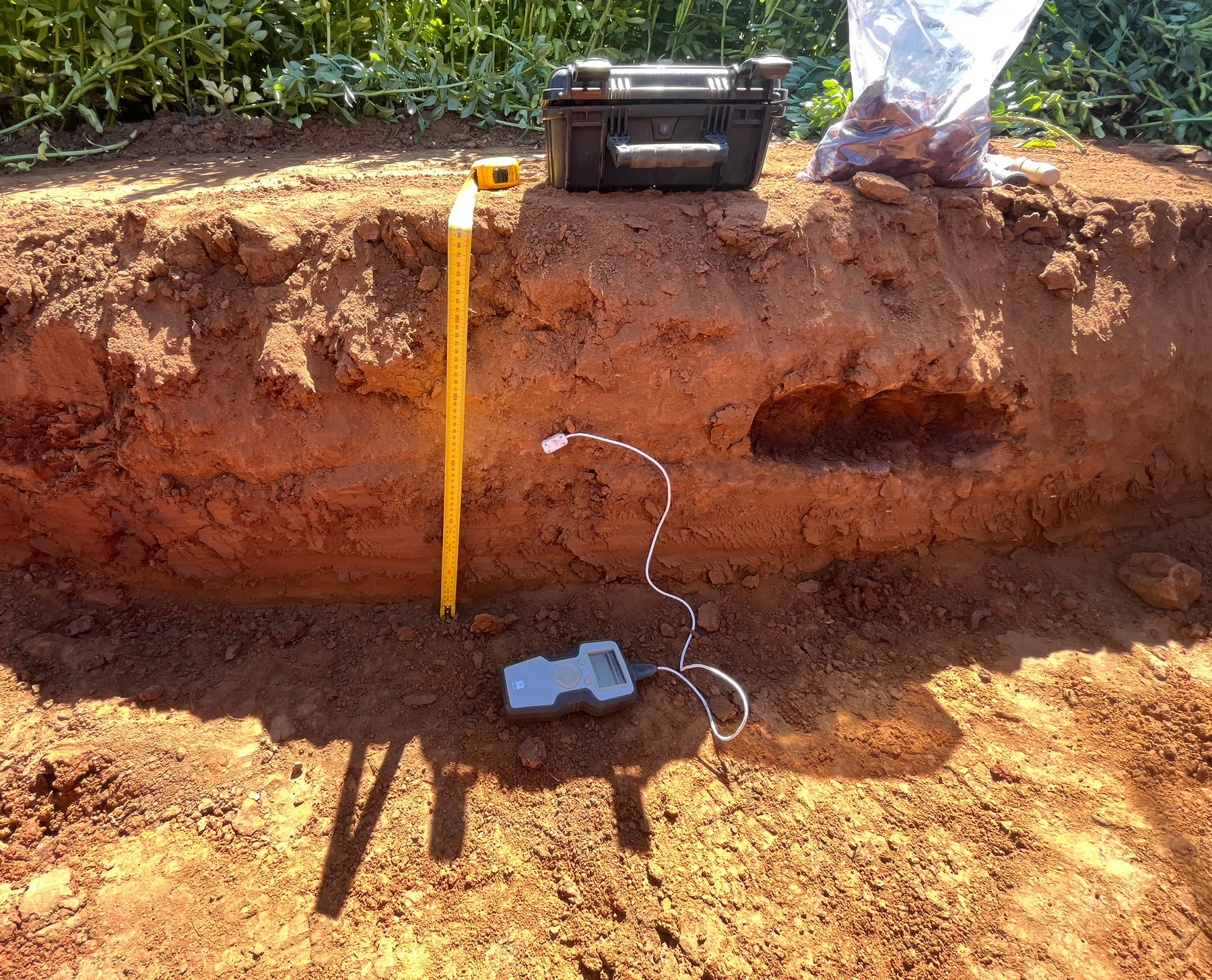
Thermal resistivity was assessed in the field and through laboratory testing of selected soils. Laboratory dry-out curves examined changes in heat transfer as moisture content reduced, including conditions relevant to potential reuse as compacted backfill. The broader materials programme also considered dispersivity and construction suitability. We brought the civil geotechnical interpretation and thermal findings into the same factual and interpretive report, allowing the designers to consider the ground’s structural behaviour and its moisture-dependent thermal performance together.
The outcome
The supplementary factual and interpretive report combined the previous investigation information with Yarra’s new field and laboratory evidence. It provided a coordinated ground model, engineering logs and test results, together with recommendations for foundations, earthworks and pavement subgrades. The interpretation connected the observed soil profile with the properties relevant to design, while keeping the source and extent of the supporting investigation information clear to the project team.
Field thermal measurements and laboratory dry-out curves gave the electrical designers additional evidence on how the tested materials transfer heat under different moisture conditions. The report also addressed material characteristics relevant to compaction and possible reuse in earthworks or backfill. This brought several interdependent ground questions into a single reference for ACLE Services and its designers. The deliverable supported development of the project’s civil, structural and electrical designs, with the test conditions, interpretation and scope limitations documented alongside the recommendations.
Explore more projects
ALL PROJECTS ↗ AI-generated illustration
Joel Joel BESS
Ground investigation and interpretation for a Victorian battery-storage project, with attention to earthworks materials, foundation behaviour and soil thermal properties.
Joel Joel, Victoria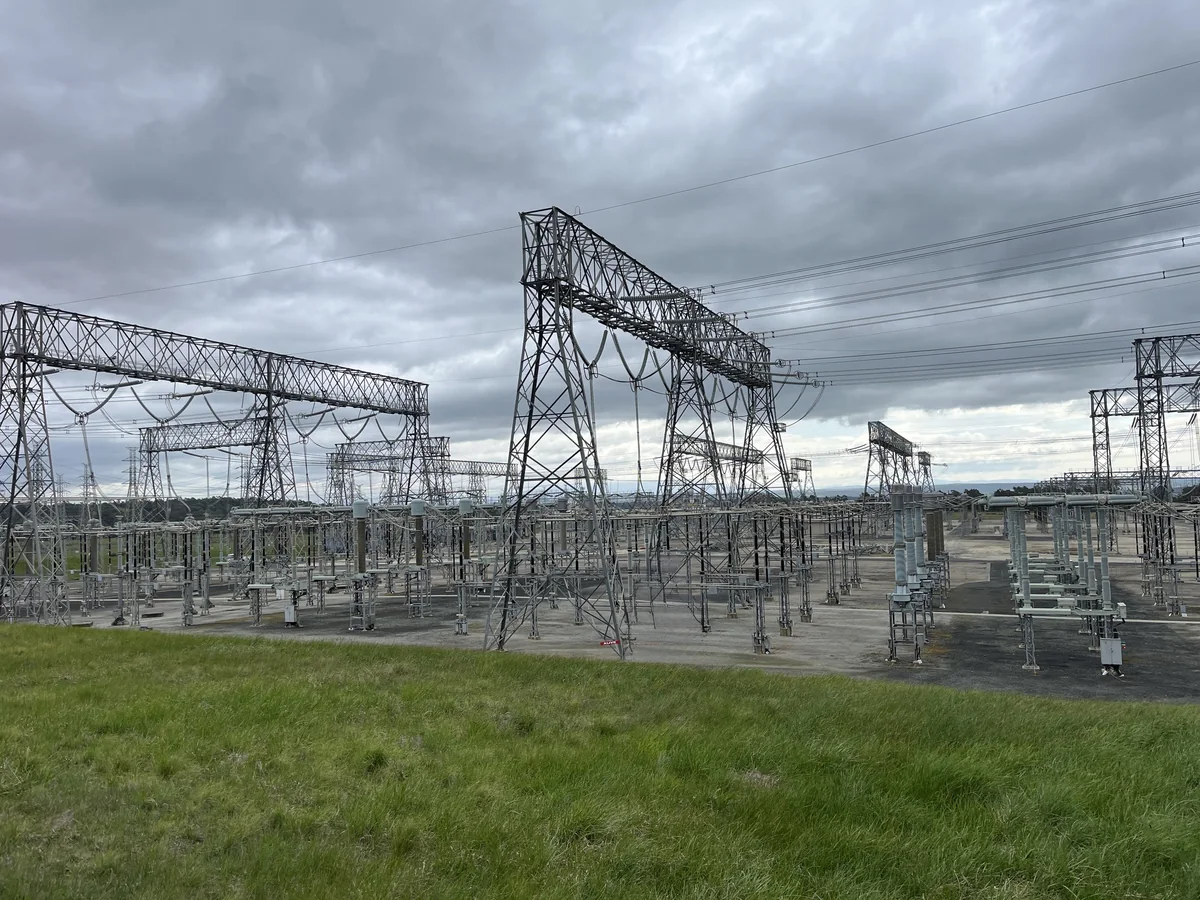
Hazelwood Terminal Station
Geotechnical investigation, thermal testing and coordination of specialist electrical resistivity and environmental inputs for proposed terminal-station works.
Hazelwood North, Victoria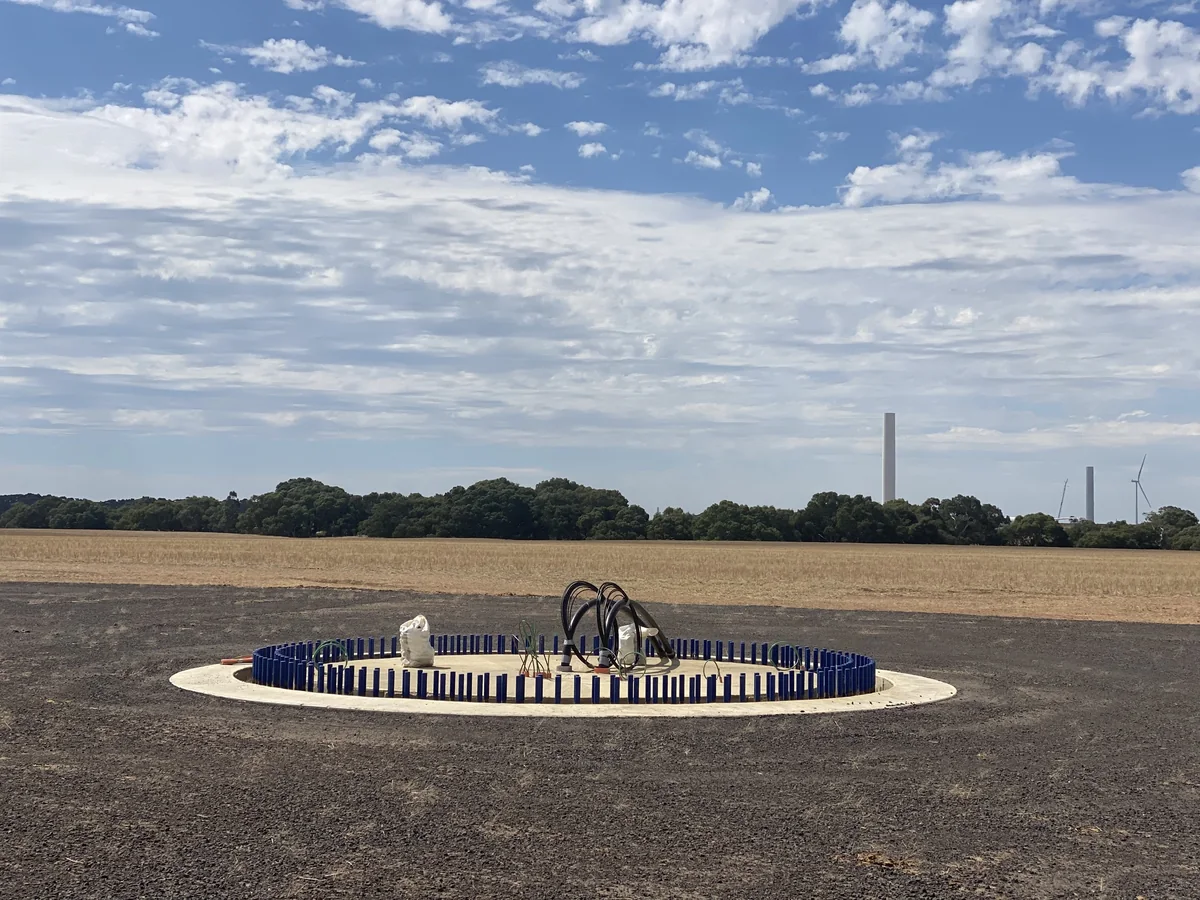
Golden Plains Wind Farm OHL
Supplementary soil and rock investigation and foundation advice at selected transmission pole locations associated with the Golden Plains Wind Farm.
Golden Plains, Victoria