
Joel Joel Battery Energy Storage System
Turning site investigation into foundation and earthworks guidance
- Sector
- Renewable energy
- Location
- Joel Joel, Victoria
- Engagement
- ACLE Services
- Report scope
- Factual and interpretive geotechnical report
THE PROJECT
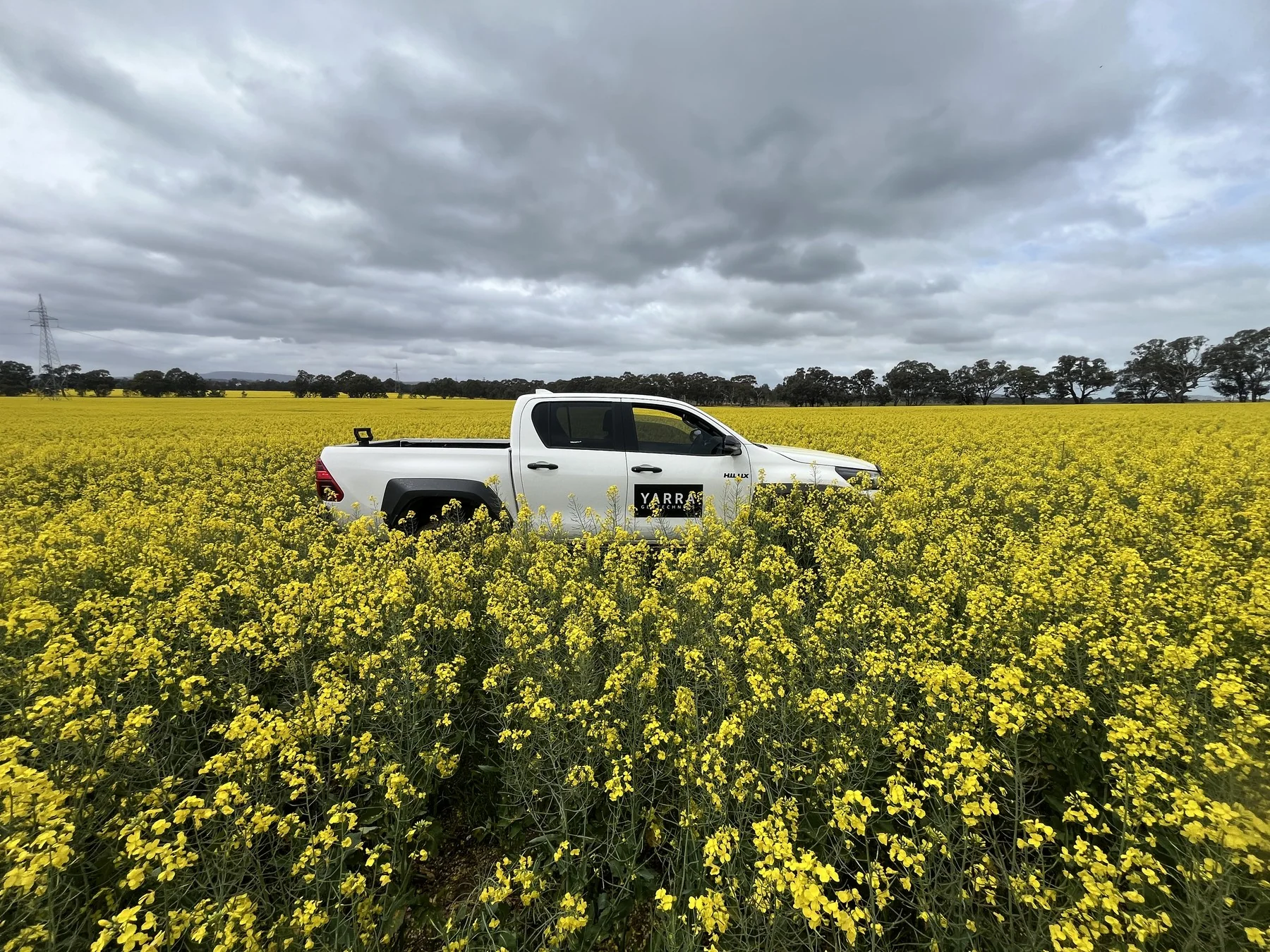
Joel Joel is a proposed 250 MW / 1,000 MWh battery energy storage system near Stawell, adjoining the existing Bulgana Terminal Station. Designed to store electricity and release it when needed, the project will support the integration of renewable energy into Victoria’s grid. Yarra Geotechnics was engaged by ACLE Services to investigate the ground and prepare factual and interpretive reporting.
The challenge
The proposed Joel Joel battery-storage project required a ground assessment supporting foundations, earthworks and buried infrastructure. The investigation needed to explain how soils and weathered materials would behave under the proposed development and how that behaviour could vary through the profile. Material strength was one part of the question; moisture response, compaction characteristics and the potential for dispersive behaviour were also relevant to construction planning and the suitability of excavated material.
The project team also needed to consider whether site-won soils could be reused, and the conditions or treatment that might be required. Buried electrical infrastructure added a thermal-performance requirement, including how heat transfer changes as soil dries. Earlier investigation information provided further context for the assessment. Yarra’s commission brought these strands together in a ground model and engineering interpretation, linking the investigation evidence with foundation options, settlement considerations and practical decisions about preparing, handling and reusing materials during earthworks.
Our approach
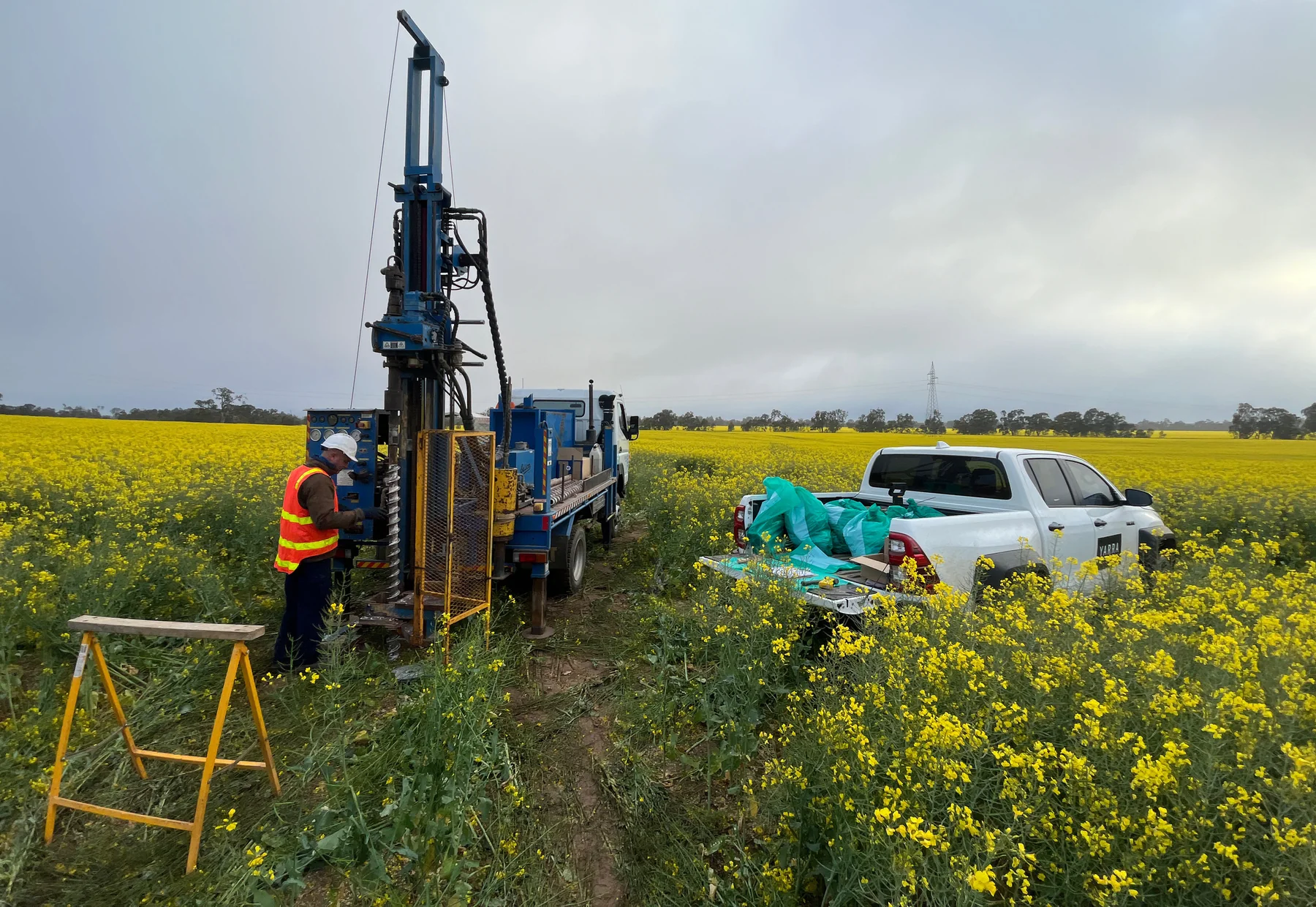
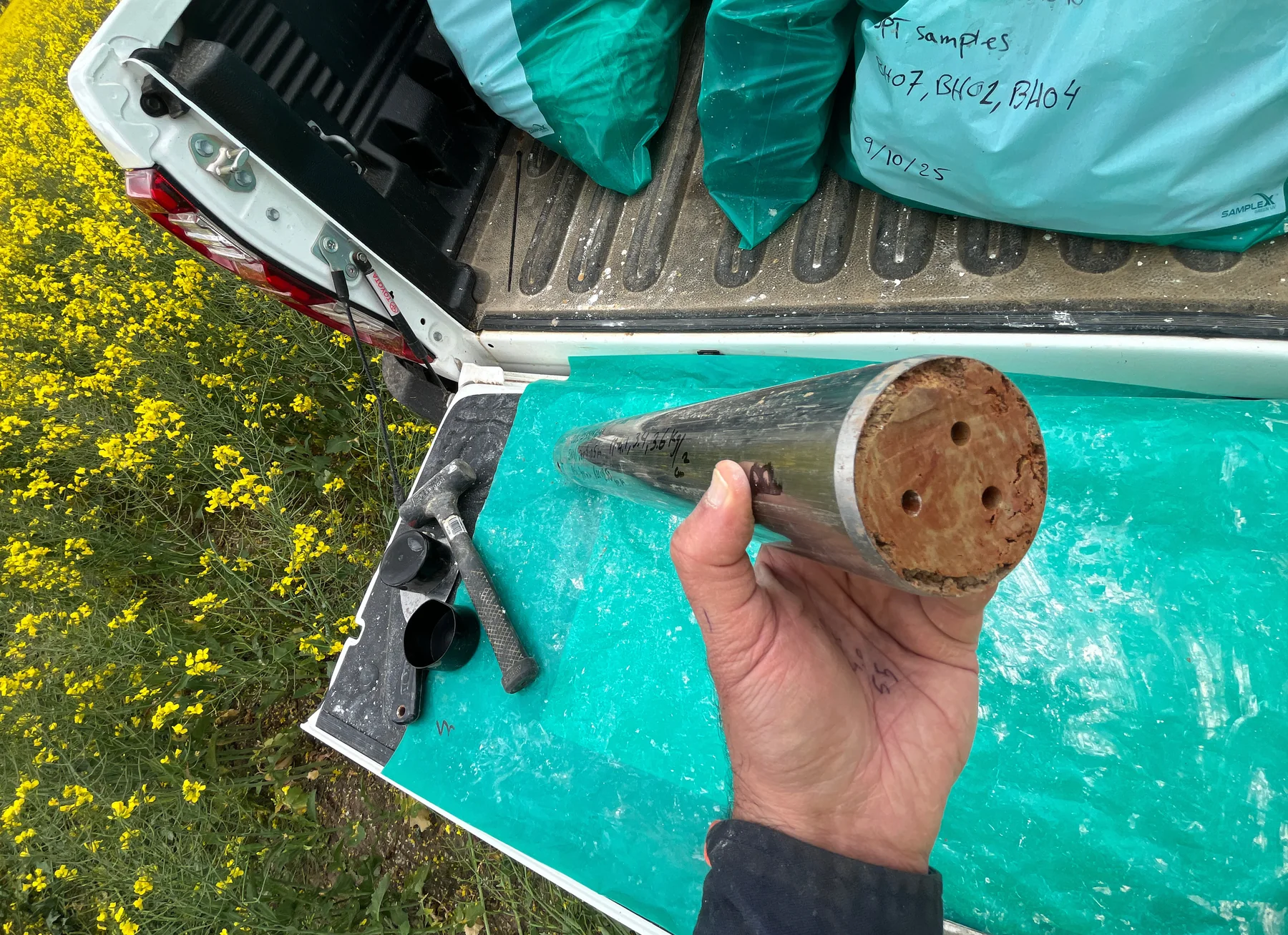
Yarra supervised drilling and test-pit investigations, combining engineering logging with Standard Penetration Tests, U63 push-tube sampling and pocket penetrometer checks on recovered cohesive soils. Targeted laboratory testing examined properties relevant to strength, moisture response and construction suitability. Earlier investigation information was considered alongside the new observations and test results when developing the geotechnical model, maintaining a clear distinction between the existing evidence and Yarra’s field programme.
The interpretation addressed foundation options and settlement, site preparation and earthworks, and the conditions under which excavated materials might be reused or require treatment. Material assessment considered compaction and dispersivity as well as strength. Field thermal resistivity measurements were complemented by laboratory dry-out testing to investigate how moisture changes affect heat transfer. These results were incorporated with the civil geotechnical assessment in the factual and interpretive report, connecting the site’s material characteristics with the different design and construction questions.
The outcome
ACLE Services received a factual and interpretive report connecting the investigation record with foundation assessment, settlement considerations and earthworks planning. The deliverable included the ground model, engineering logs, sample records and laboratory results supporting the recommendations. It described the significance of the investigated materials for the proposed development and provided design guidance within the scope of the fieldwork, existing information and testing considered by Yarra.
The report also identified considerations for excavated-material reuse and treatment, giving the project team evidence to inform earthworks preparation and materials planning. Field and laboratory thermal results added information for electrical infrastructure design, including the relationship between moisture content and heat transfer in the tested soils. Bringing these findings together supported coordination between the different design disciplines. The documented outcome was a common geotechnical reference for developing the works, with the assumptions and further project decisions remaining visible alongside the engineering recommendations.
Explore more projects
ALL PROJECTS ↗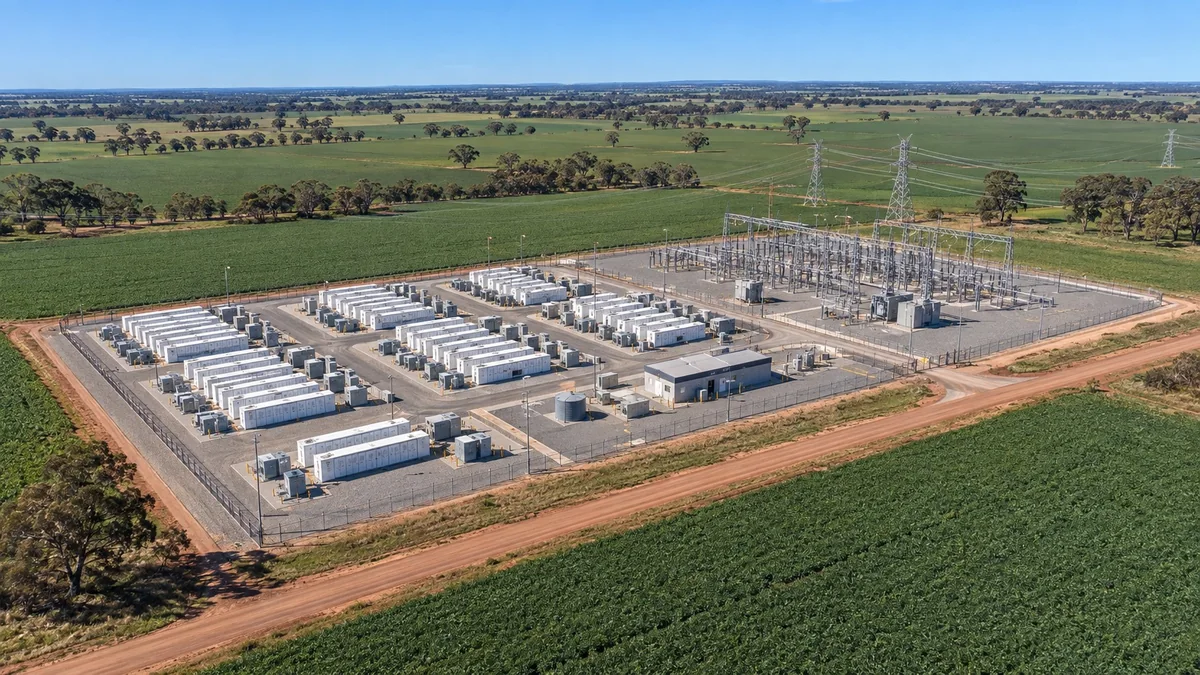 Project illustration
Yanco BESS
Supplementary investigation and interpretation combining alluvial ground conditions, foundation and earthworks advice, and field and laboratory thermal resistivity testing.
Riverina, New South Wales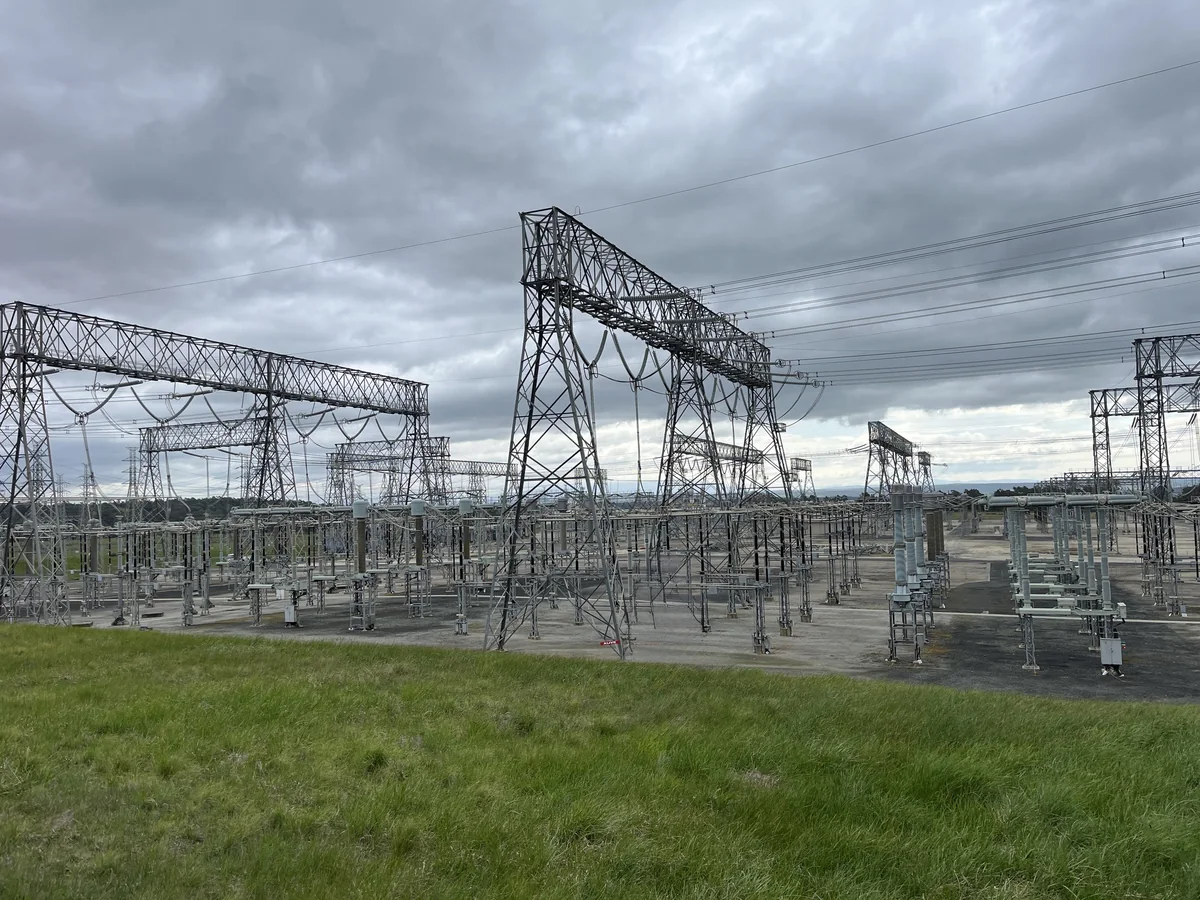
Hazelwood Terminal Station
Geotechnical investigation, thermal testing and coordination of specialist electrical resistivity and environmental inputs for proposed terminal-station works.
Hazelwood North, Victoria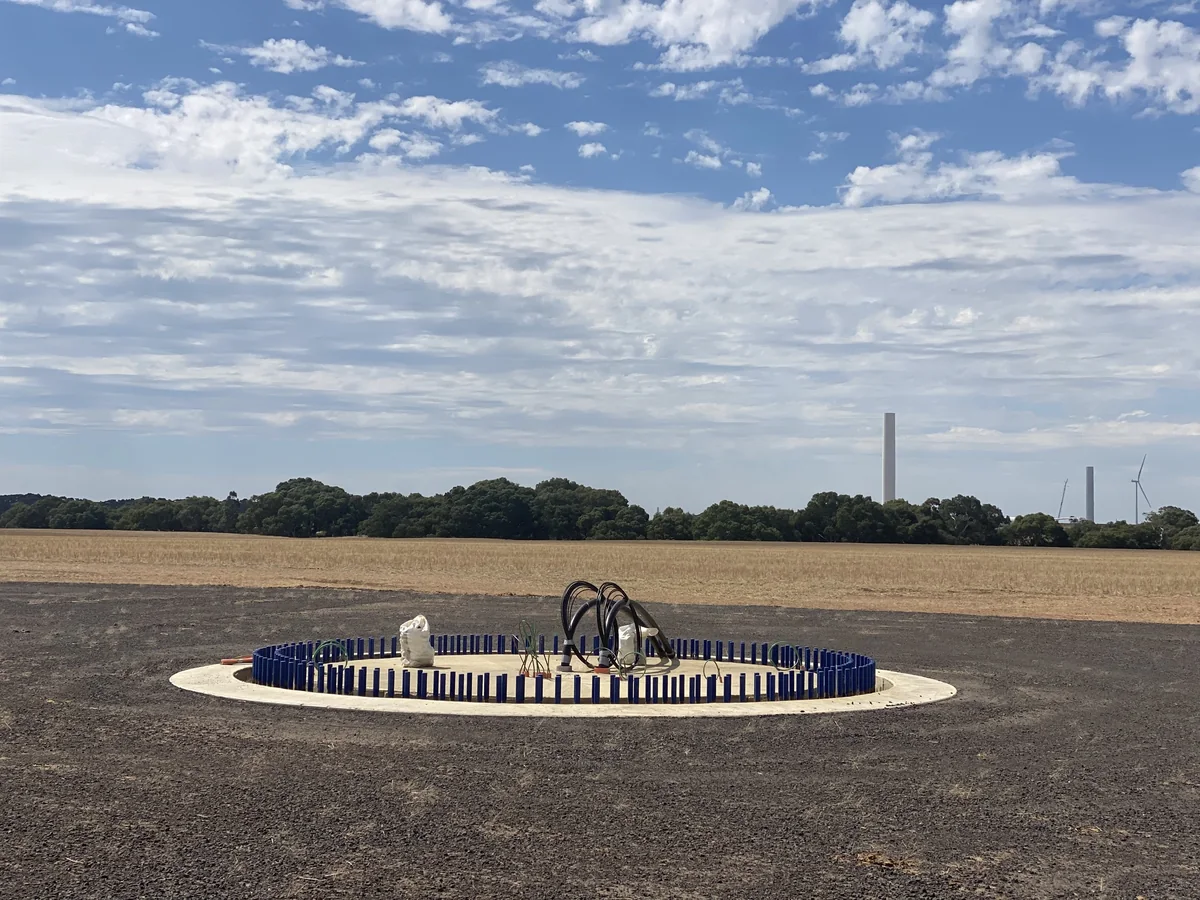
Golden Plains Wind Farm OHL
Supplementary soil and rock investigation and foundation advice at selected transmission pole locations associated with the Golden Plains Wind Farm.
Golden Plains, Victoria