
Golden Plains Wind Farm — Overhead Transmission Line
Understanding variable ground beneath transmission foundations
- Sector
- Renewable energy
- Location
- Golden Plains, Victoria
- Engagement
- Consolidated Power Projects, working with QEST Infrastructure
- Report scope
- Factual and interpretive geotechnical report
THE PROJECT
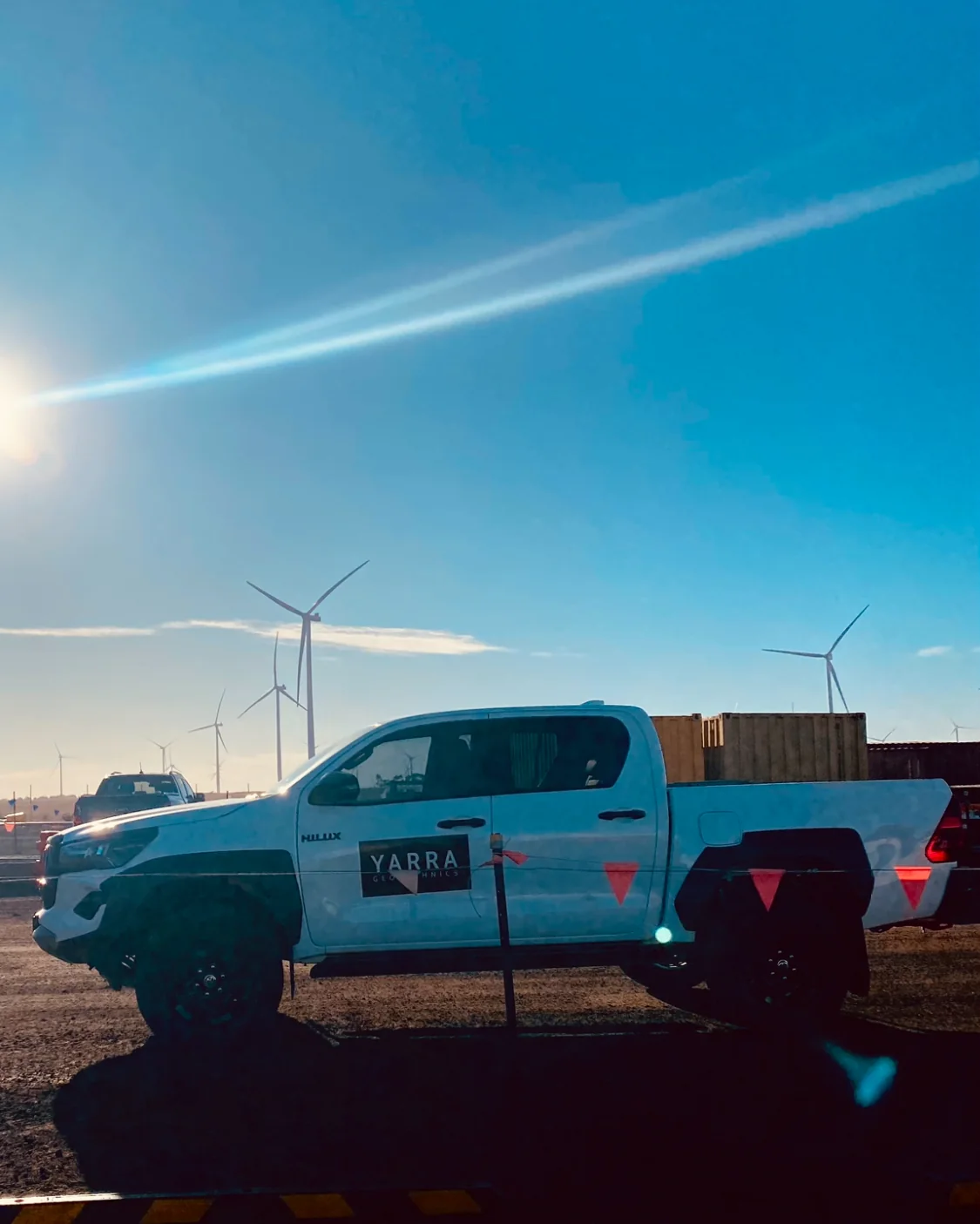
Golden Plains Wind Farm near Rokewood is a major Victorian renewable-energy development with a publicly stated total capacity of 1,330 MW. Yarra Geotechnics worked with QEST Infrastructure for Consolidated Power Projects on a supplementary investigation at selected locations along the project’s overhead transmission line.
The challenge
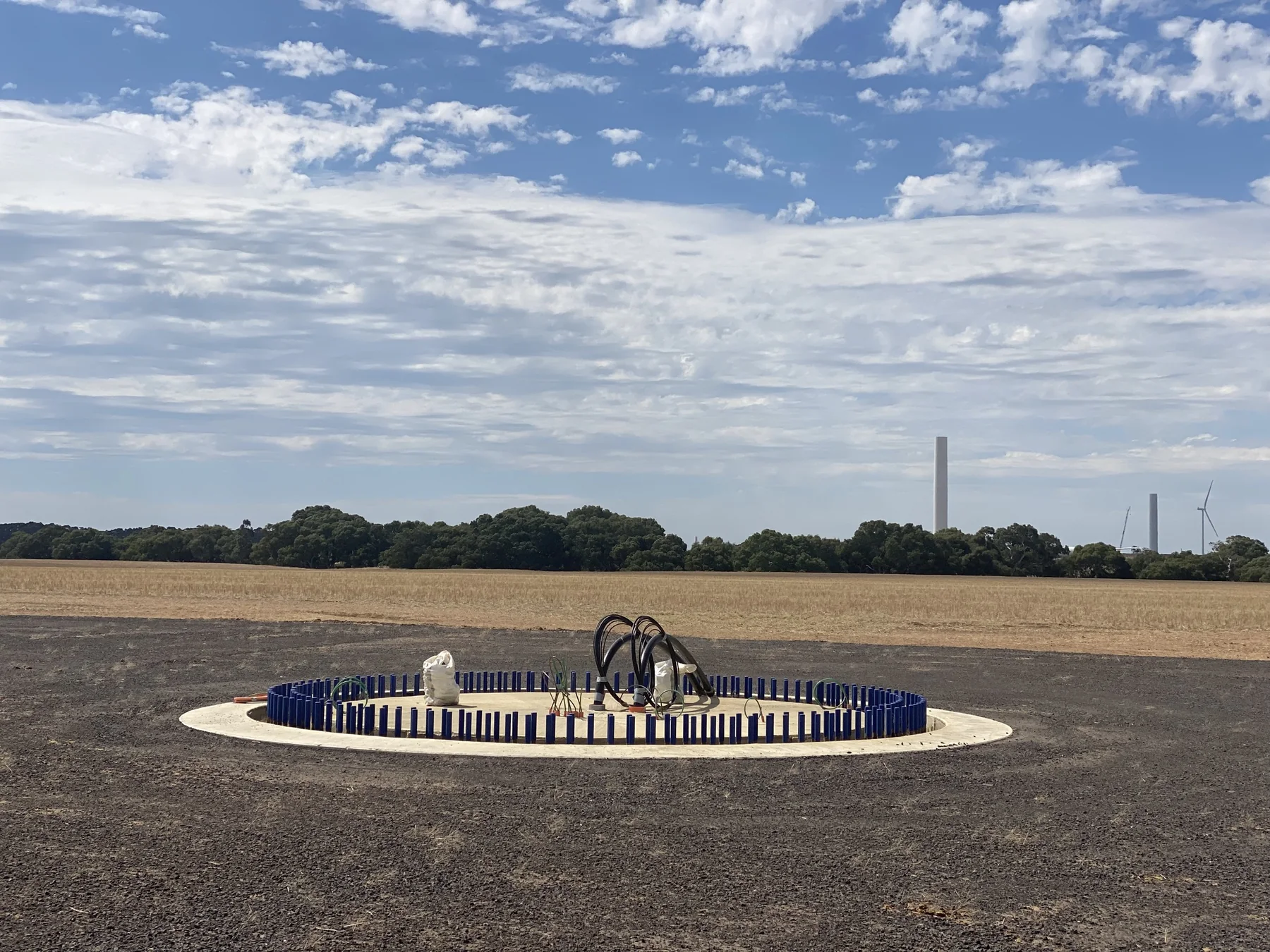
Overhead transmission foundations need to resist vertical, lateral and uplift loads while limiting movement. At Golden Plains, this assessment had to account for changes between near-surface soils, weathered volcanic material and stronger basalt at selected pole locations. The engineering significance extends beyond identifying rock: its weathering, strength and condition influence how a foundation transfers load into the ground. Regional geological mapping provided context, while the foundation assessment required evidence from the locations being investigated.
Yarra’s supplementary commission therefore needed to connect the recovered soil and rock profile with practical foundation-design inputs. The investigation had to establish material characteristics through field logging, in-situ testing and laboratory assessment, then organise those findings into a consistent geotechnical model. That model would support consideration of shaft and base resistance, lateral response and uplift behaviour. The work focused on the selected overhead-line locations within the wider wind-farm development, with the report documenting the basis and limitations of the interpretation.
Our approach
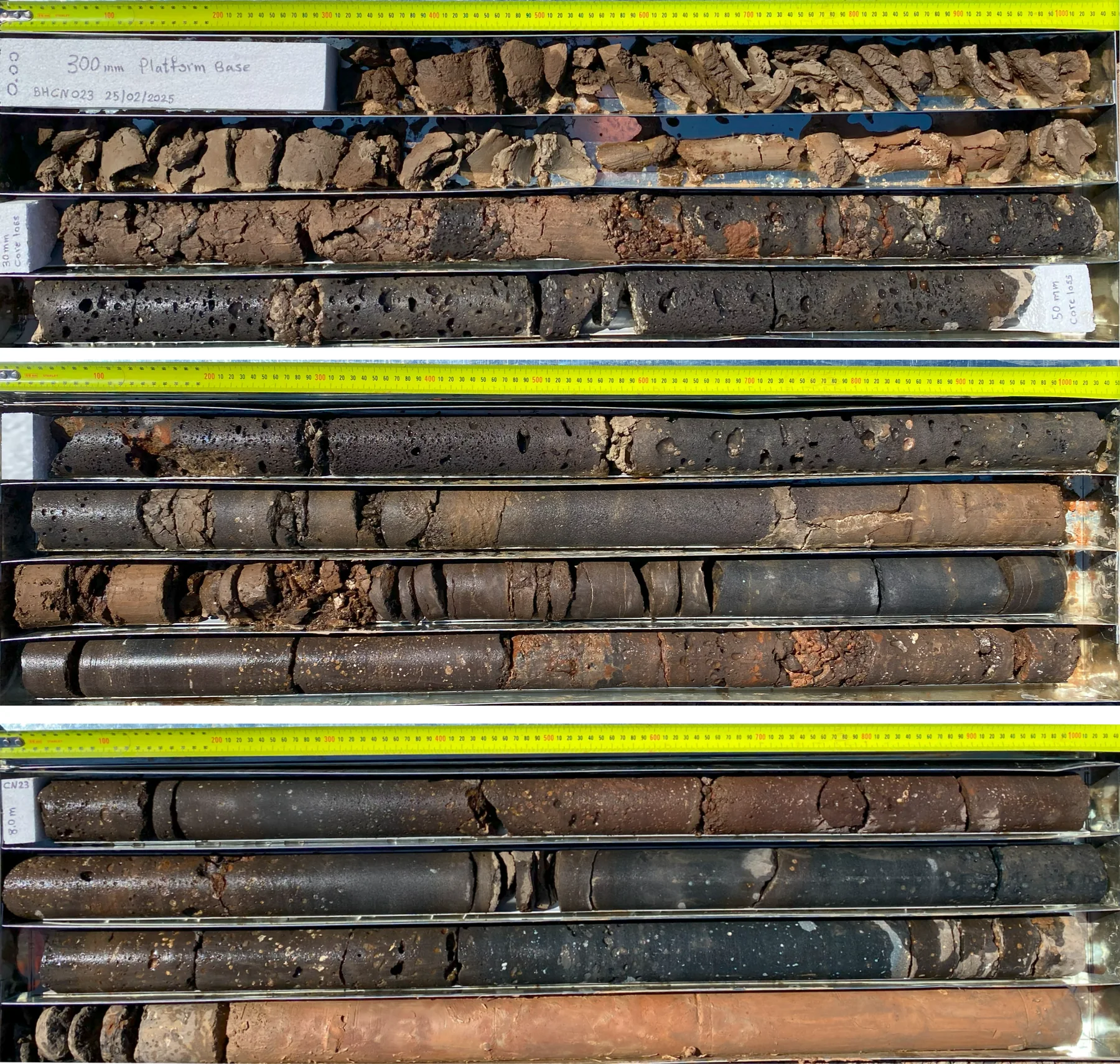
Yarra reviewed the available geological information and provided engineering supervision of the supplementary drilling programme. Solid-flight augering investigated the soils, with Standard Penetration Tests providing in-situ information on their behaviour. Diamond coring recovered the underlying basalt for detailed examination. Engineering logs and photographs recorded material changes, weathering and rock condition, maintaining a factual record of the transition from soil to rock at the investigated locations. QEST Infrastructure supplied the drilling equipment and crew.
Selected samples were assessed through laboratory testing to support interpretation of soil properties and rock strength, including point-load and uniaxial compressive-strength testing of rock. We considered these results alongside the field evidence in developing geotechnical models and design parameters. The engineering assessment addressed bored-pile foundations under axial, lateral and uplift loading, together with movement considerations. This linked the investigation record to the different ways transmission foundations engage the surrounding ground and provided a documented basis for subsequent design assessment.
The outcome
The completed factual and interpretive report provided the foundation designers with a documented soil and rock profile at the selected overhead-line locations. Engineering logs, recovered-sample photographs and laboratory results established the evidence behind the adopted ground models. The interpretation then connected material consistency, rock weathering and strength with the parameters needed to assess deep foundations. This made the progression from field observation to engineering recommendation clear within a single report.
The design guidance addressed axial shaft and base resistance, lateral foundation response and uplift resistance, with consideration of settlement, lateral displacement and rotation. It gave the project team a basis for assessing bored-pile options against the loading requirements and ground conditions at the investigated locations. Yarra’s contribution was the investigation and geotechnical advice supporting those decisions. The report retained the supplementary scope of the commission and the assumptions on which its recommendations depended, so the information could be used within its intended design context.
Explore more projects
ALL PROJECTS ↗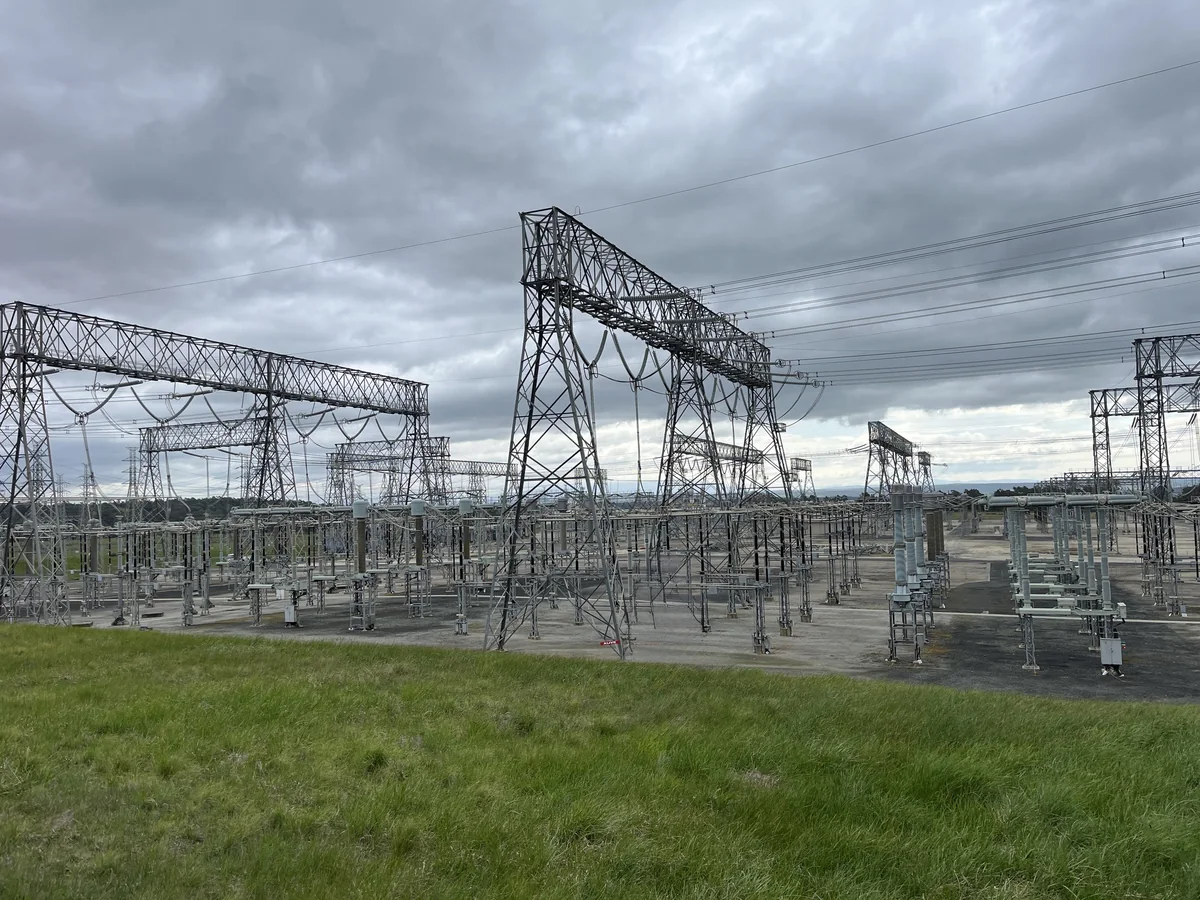
Hazelwood Terminal Station
Geotechnical investigation, thermal testing and coordination of specialist electrical resistivity and environmental inputs for proposed terminal-station works.
Hazelwood North, Victoria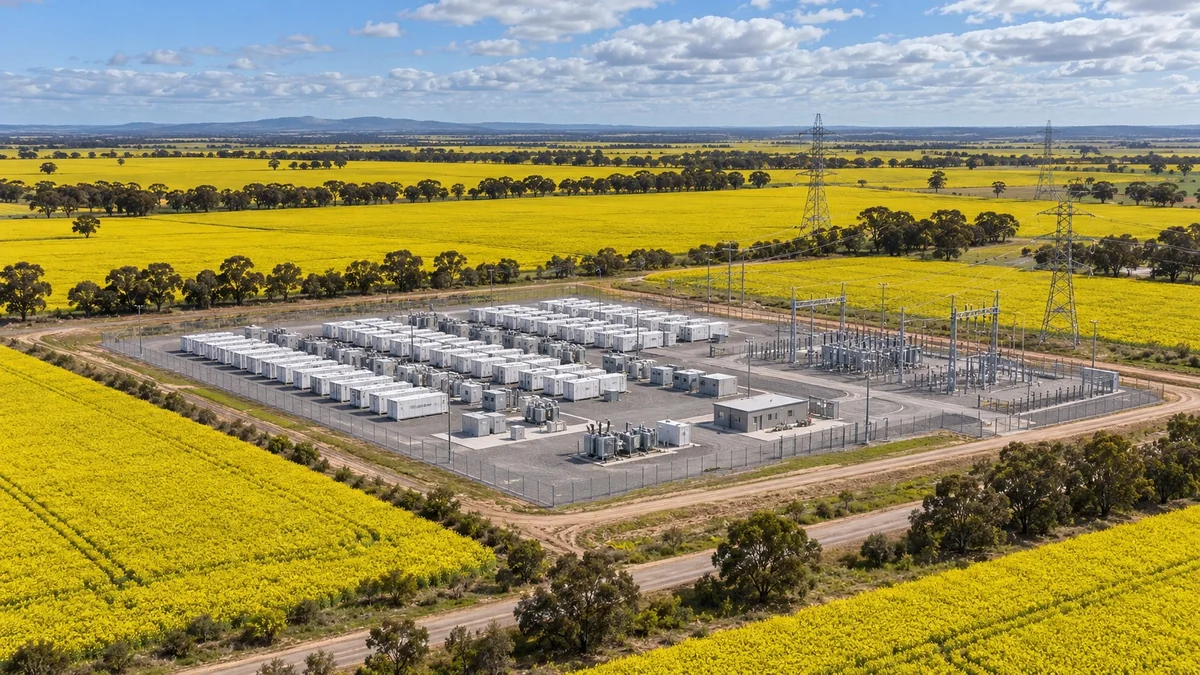 AI-generated illustration
Joel Joel BESS
Ground investigation and interpretation for a Victorian battery-storage project, with attention to earthworks materials, foundation behaviour and soil thermal properties.
Joel Joel, Victoria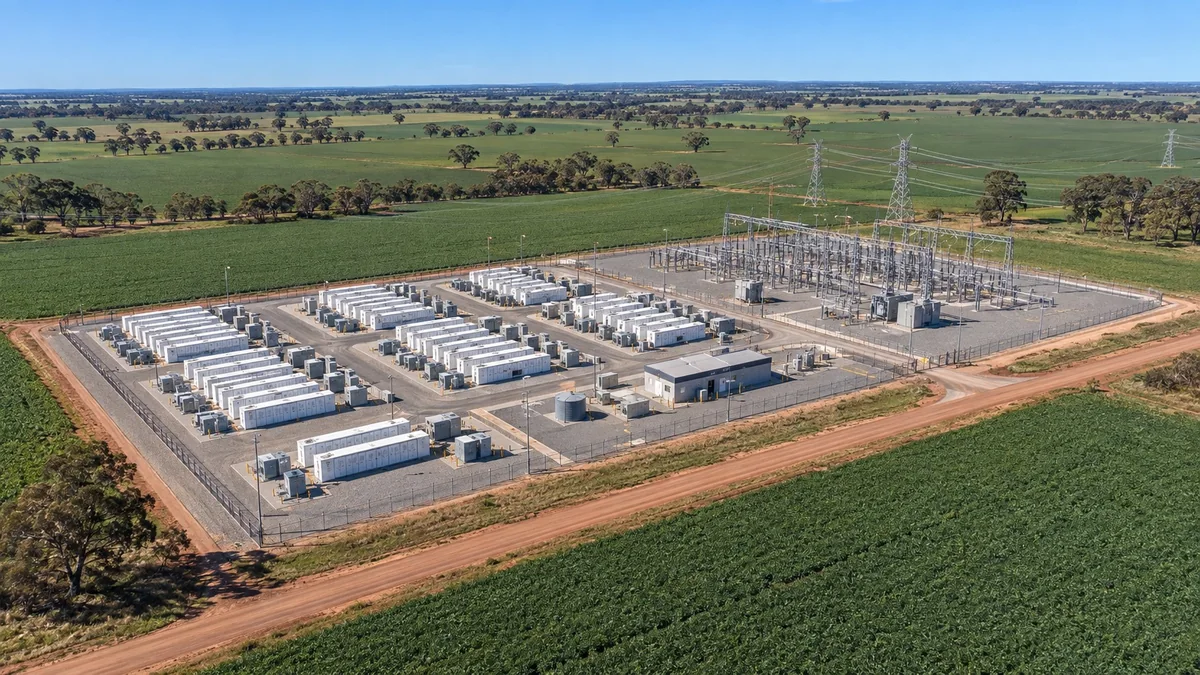 Project illustration
Yanco BESS
Supplementary investigation and interpretation combining alluvial ground conditions, foundation and earthworks advice, and field and laboratory thermal resistivity testing.
Riverina, New South Wales