
Hazelwood Terminal Station
Bringing civil and electrical ground requirements together
- Sector
- Power transmission
- Location
- Hazelwood North, Victoria
- Engagement
- QEST Infrastructure · report prepared for AusNet Services
- Report scope
- Factual and interpretive geotechnical report with preliminary soil-disposal assessment
THE PROJECT
Hazelwood Terminal Station forms part of Victoria’s electricity transmission network in the Latrobe Valley. Engaged by QEST Infrastructure, Yarra Geotechnics provided investigation supervision, laboratory management and reporting for proposed development at the station, with the report prepared for AusNet Services.
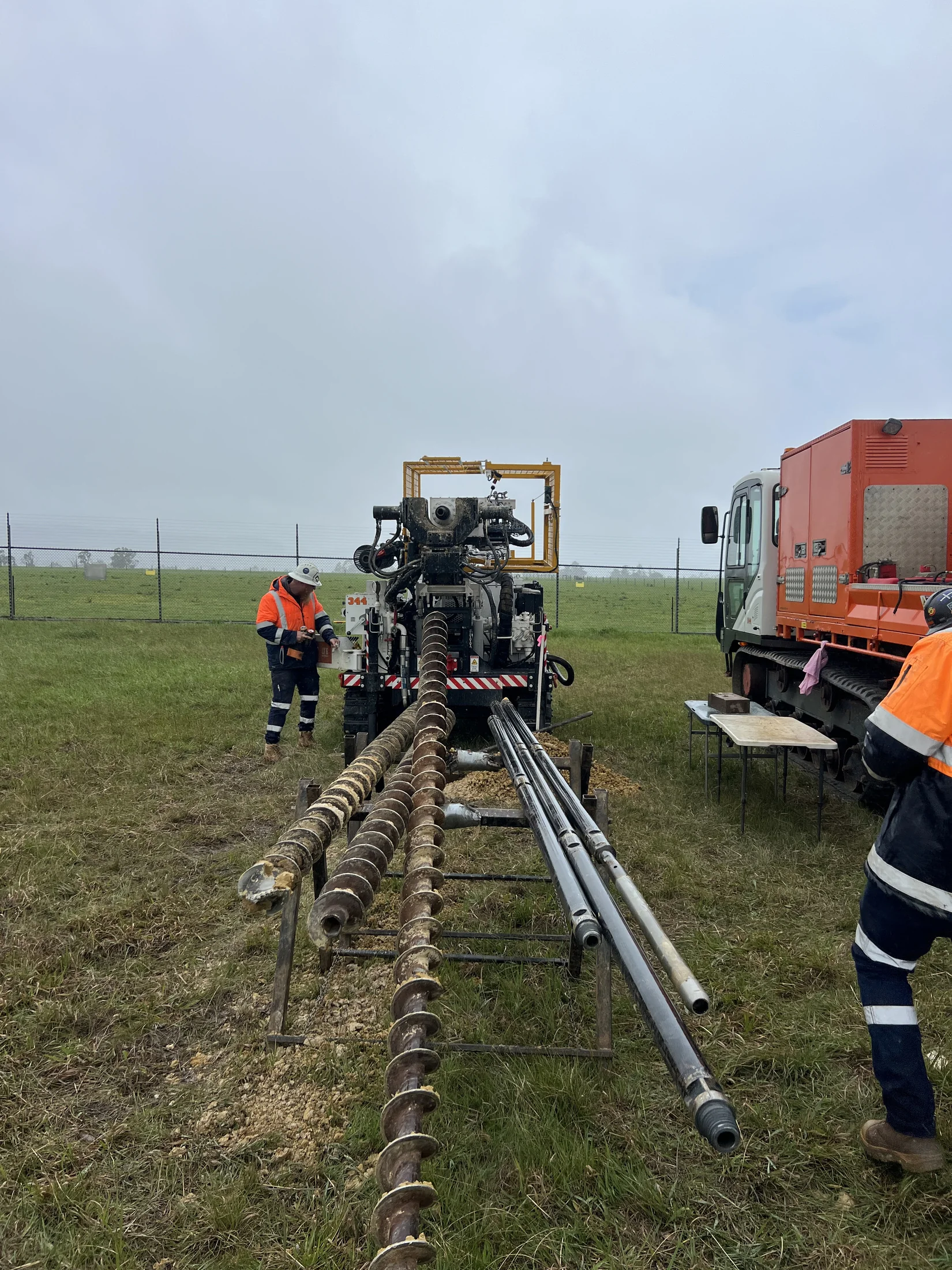
The challenge
The proposed Hazelwood Terminal Station works brought together civil, structural and electrical requirements. Foundation and earthworks assessments needed information on the soil profile, strength and movement behaviour. Electrical infrastructure introduced additional questions about the ground’s thermal and electrical properties. Excavated soil also required preliminary assessment for disposal planning. These different requirements had to be considered together within an investigation serving a proposed extension to an existing transmission-network facility.
A change to the proposed finished platform level added an important interpretation issue. Some near-surface material would be removed during bulk earthworks, so measurements made in that existing profile could not simply be adopted as representative of the eventual formation. The programme and reporting needed to distinguish the evidence relevant to retained ground from information requiring later verification. Yarra’s role was to coordinate the geotechnical investigation and specialist inputs, explain their relevance to the proposed works and identify further testing needed as the site progressed toward its final construction level.
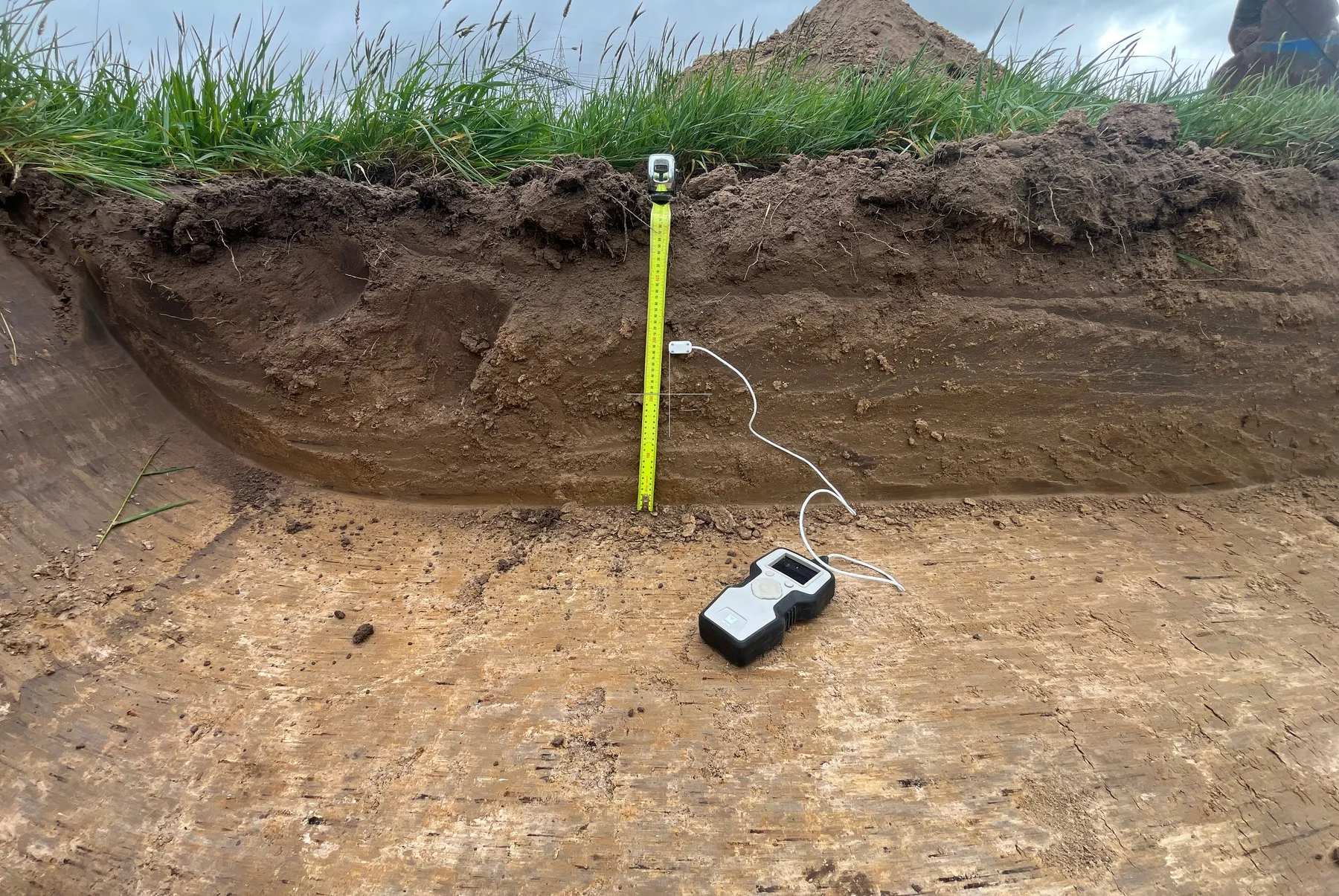
Our approach
Yarra supervised borehole and test-pit investigations, combining engineering logging with Standard Penetration Tests, U63 push-tube sampling and pocket penetrometer checks on recovered cohesive soils. Laboratory assessment examined soil behaviour and properties relevant to foundations and earthworks. In-situ thermal resistivity measurements investigated heat transfer through the existing soil profile. Specialist Wenner electrical resistivity surveys contributed evidence relevant to earthing assessment, while environmental sampling and specialist review supported preliminary consideration of soil disposal.
We integrated these workstreams into the factual and interpretive report, with a geotechnical model and foundation and earthworks recommendations. The revised platform level informed the interpretation and the scope of further work: laboratory thermal testing on near-surface materials scheduled for removal was discontinued. The report instead identified additional investigation and thermal and electrical verification appropriate to the final formation. This connected the test results with the actual construction sequence and made the responsibilities of the geotechnical and specialist contributors clear.
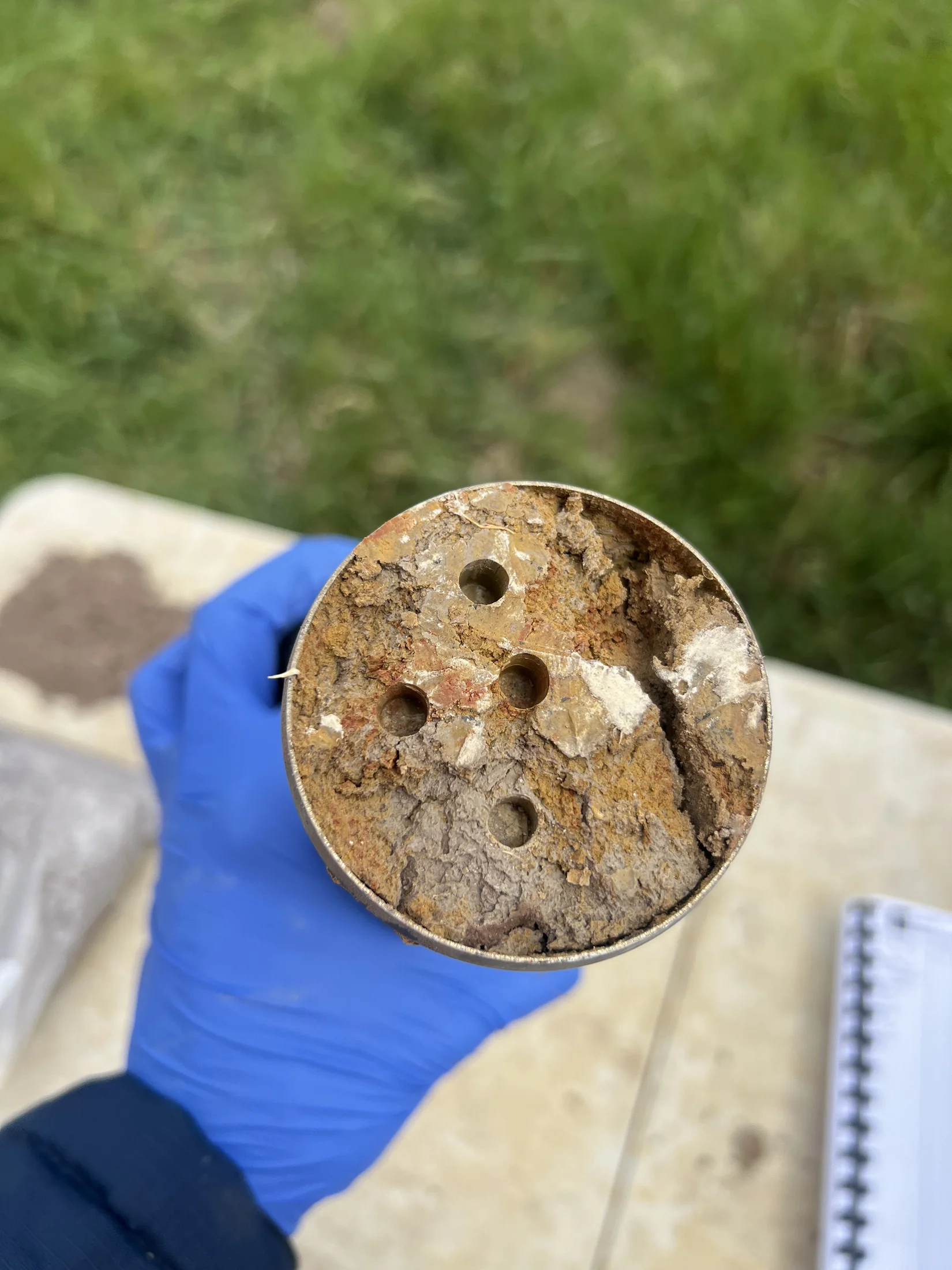
The outcome
The project team received a coordinated factual and interpretive report containing the ground model, foundation and earthworks advice, field thermal measurements, specialist electrical resistivity findings and preliminary soil-disposal assessment. Borehole and test-pit records, sampling information and laboratory evidence supported the interpretation. Presenting the different inputs together gave the civil and electrical designers a common reference for understanding the investigated conditions and the contribution of each testing programme.
The report also set out the consequences of the proposed change in platform level. It distinguished measurements obtained in the existing near-surface ground from those that would need to be confirmed at the final formation, and identified further testing to support that next stage. This was an important part of the deliverable: the project team could see both the available evidence and the remaining verification requirements. The recommendations supported ongoing design and construction planning within the defined scope of the investigation and specialist assessments.
Explore more projects
ALL PROJECTS ↗ Project illustration
Yanco BESS
Supplementary investigation and interpretation combining alluvial ground conditions, foundation and earthworks advice, and field and laboratory thermal resistivity testing.
Riverina, New South Wales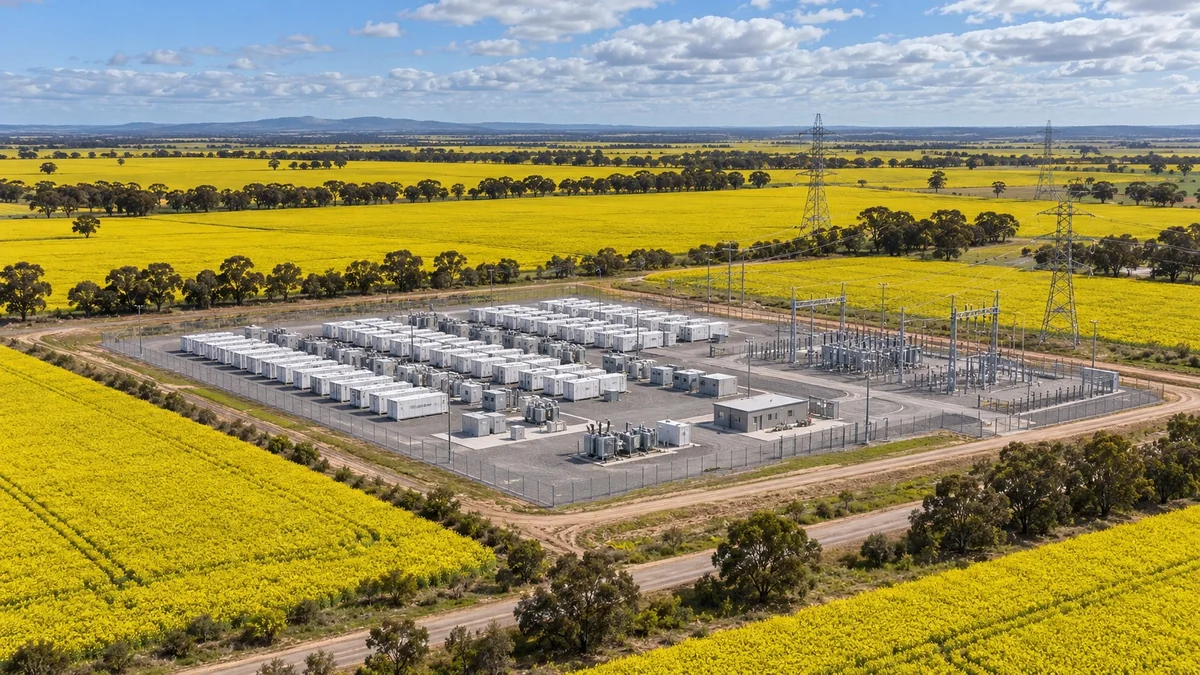 AI-generated illustration
Joel Joel BESS
Ground investigation and interpretation for a Victorian battery-storage project, with attention to earthworks materials, foundation behaviour and soil thermal properties.
Joel Joel, Victoria Project illustration
Lyndhurst Water Recycling Plant
Ground investigation and foundation advice for a compact water recycling facility, addressing ground movement, construction constraints and nearby infrastructure.
Lyndhurst, Victoria