
Aquarevo Water Recycling Plant, Lyndhurst
Foundation advice for water infrastructure within an established community
- Sector
- Water infrastructure
- Location
- Lyndhurst, Victoria
- Engagement
- Hydroflux Epco
- Report scope
- Factual and interpretive geotechnical report
THE PROJECT
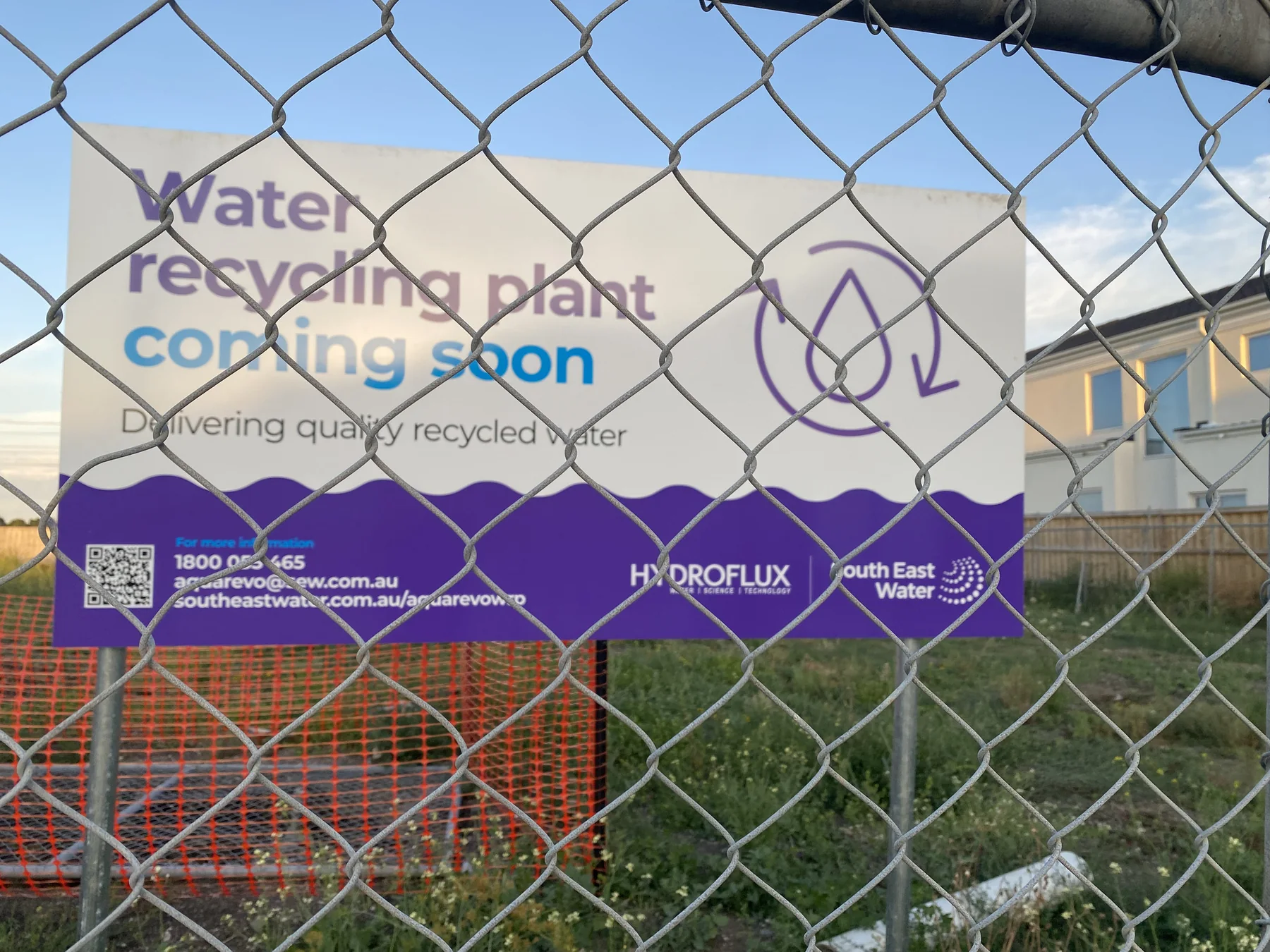
South East Water’s Aquarevo Water Recycling Plant in Lyndhurst is designed to treat local wastewater to Class A standard for non-drinking uses such as irrigation and toilet flushing. The publicly announced design capacity is 207 kL per day. Yarra Geotechnics was commissioned by Hydroflux Epco to investigate the ground and provide geotechnical advice for the proposed plant.
The challenge
The proposed water-recycling facility needed to support treatment equipment and its enclosing structure on a compact site within an established community. The investigation identified soft, reactive clay over stronger material at depth, making settlement and moisture-related movement important to the foundation assessment. The design needed to consider how loads would be carried, how the ground might deform and whether a shallow or piled solution would better address the particular structural requirements.
Existing underground infrastructure added a further constraint because loading from the proposed development needed to be considered alongside the protection of nearby assets. Construction methods also had to suit a setting close to homes and a rail corridor. Foundation advice therefore needed to extend beyond bearing resistance to cover practical issues such as vibration, noise and maintaining pile-bore stability. Yarra’s commission brought these concerns into the geotechnical assessment so the project team could compare foundation options with an understanding of both ground behaviour and construction implications.
Our approach
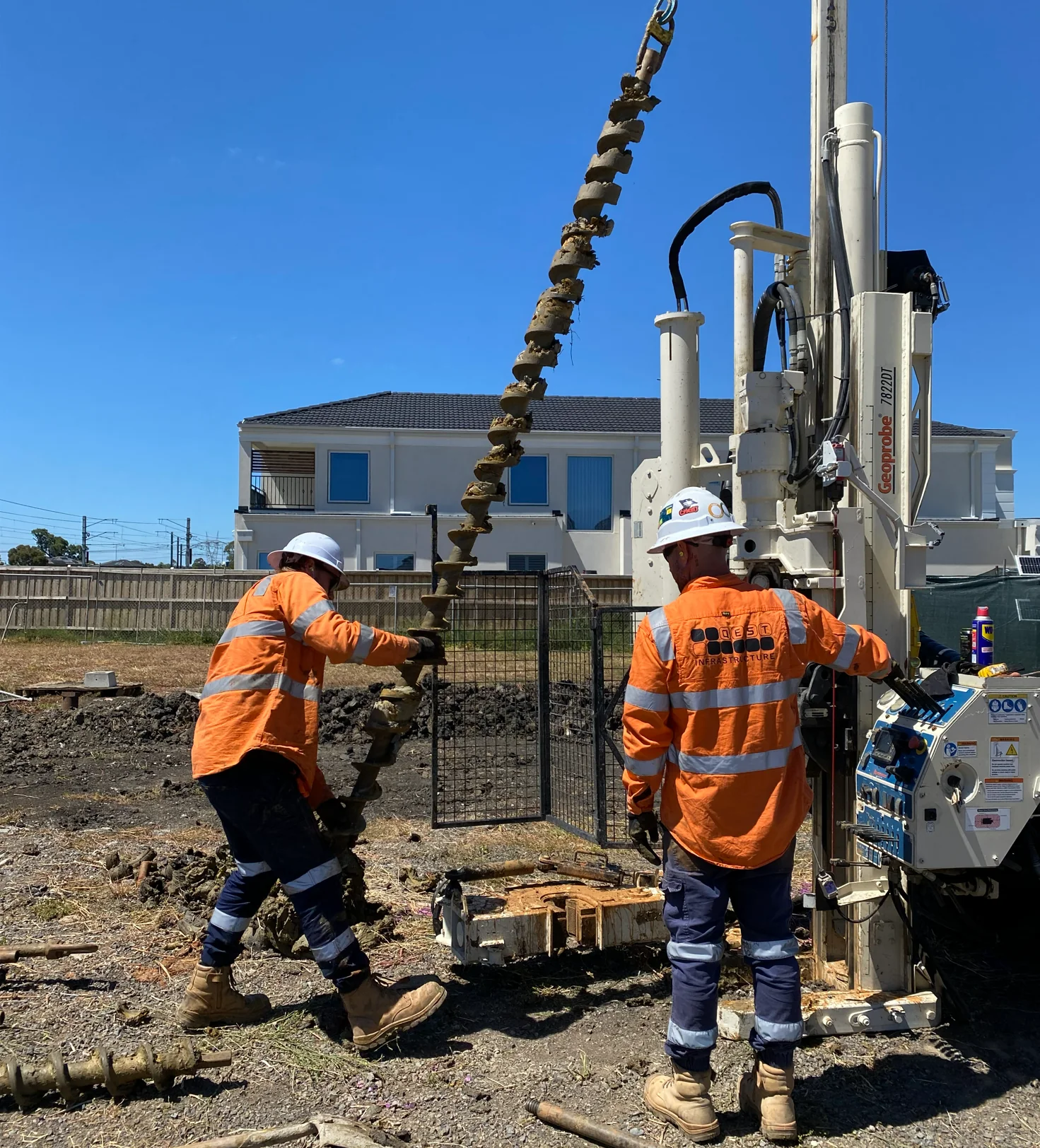
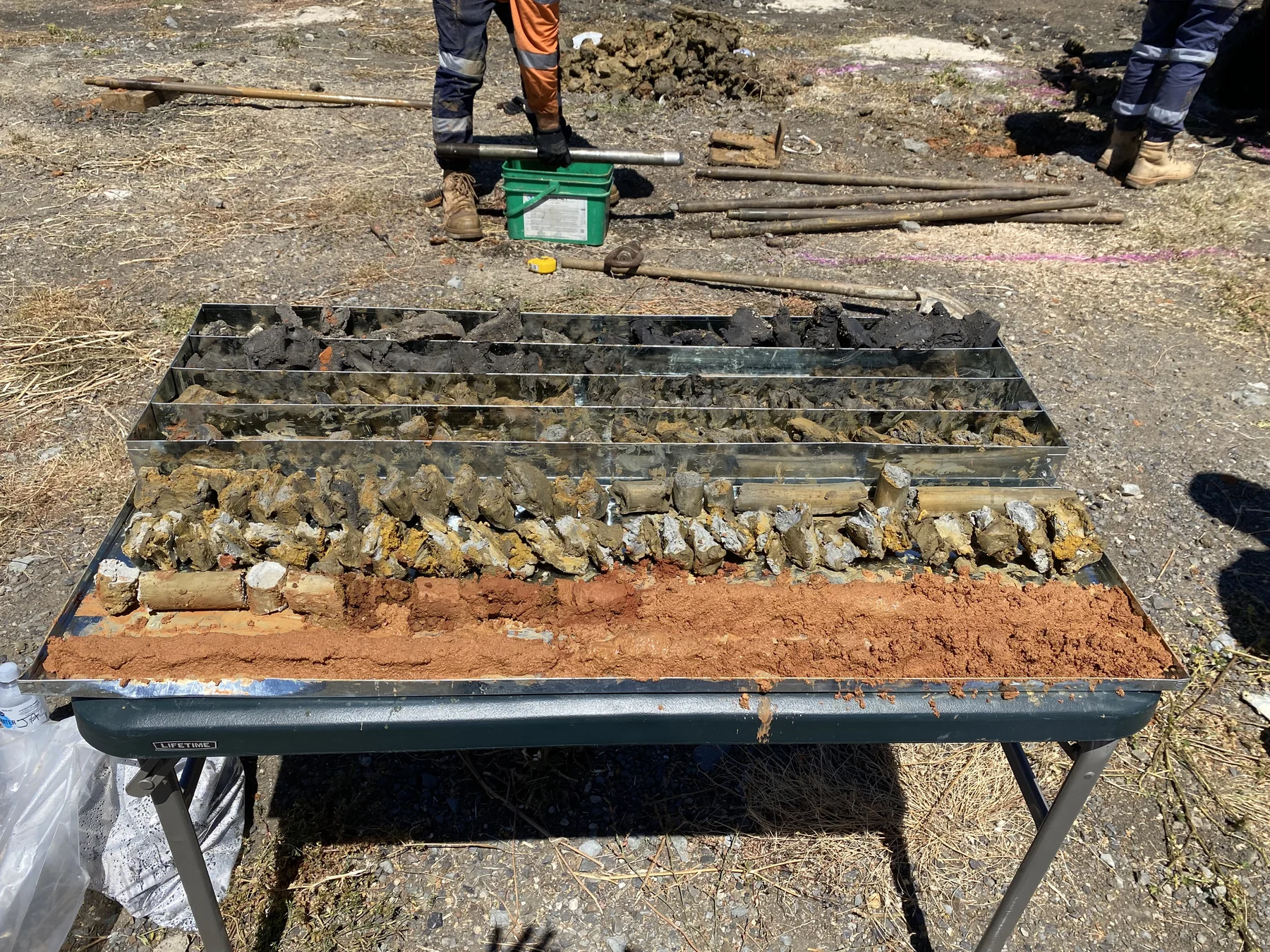
Yarra combined desktop assessment with supervised drilling, Standard Penetration Tests and U63 push-tube sampling of cohesive soils. Engineering logs documented changes in the profile, and laboratory testing informed assessment of strength, reactivity, compaction behaviour and aggressivity. The investigation established a ground model distinguishing the softer clay from stronger underlying materials. This provided the basis for interpreting how the ground could respond to the proposed plant’s foundations and associated earthworks.
We assessed shallow and piled foundation options, considering bearing behaviour, settlement and moisture-related movement alongside the existing underground infrastructure. The report examined the practical suitability of piling methods in the surrounding residential setting, including noise and vibration considerations and measures for maintaining bore stability. Advice on excavated-material suitability, earthworks and existing services completed the assessment. Field evidence and engineering interpretation were brought together so the designers could consider the foundation system as part of the wider site and construction constraints.
The outcome
The factual and interpretive report gave Hydroflux Epco and the plant’s designers a documented basis for comparing foundation options. It described the investigated ground profile, provided geotechnical design inputs and explained the significance of the softer, reactive soils for settlement and ground movement. The supporting logs and laboratory results allowed the design recommendations to be traced to the evidence collected during the investigation and the assumptions adopted in the engineering assessment.
The guidance also addressed construction feasibility. It considered piling methods, bore stability and the implications of working near existing services and neighbouring development, together with the suitability of excavated soils for earthworks. These considerations helped define the questions to be resolved when developing the final foundation and construction approach. Yarra’s delivered outcome was geotechnical advice and a record of the investigated conditions; selection of the adopted foundation system and its subsequent construction remained with the project team.
Explore more projects
ALL PROJECTS ↗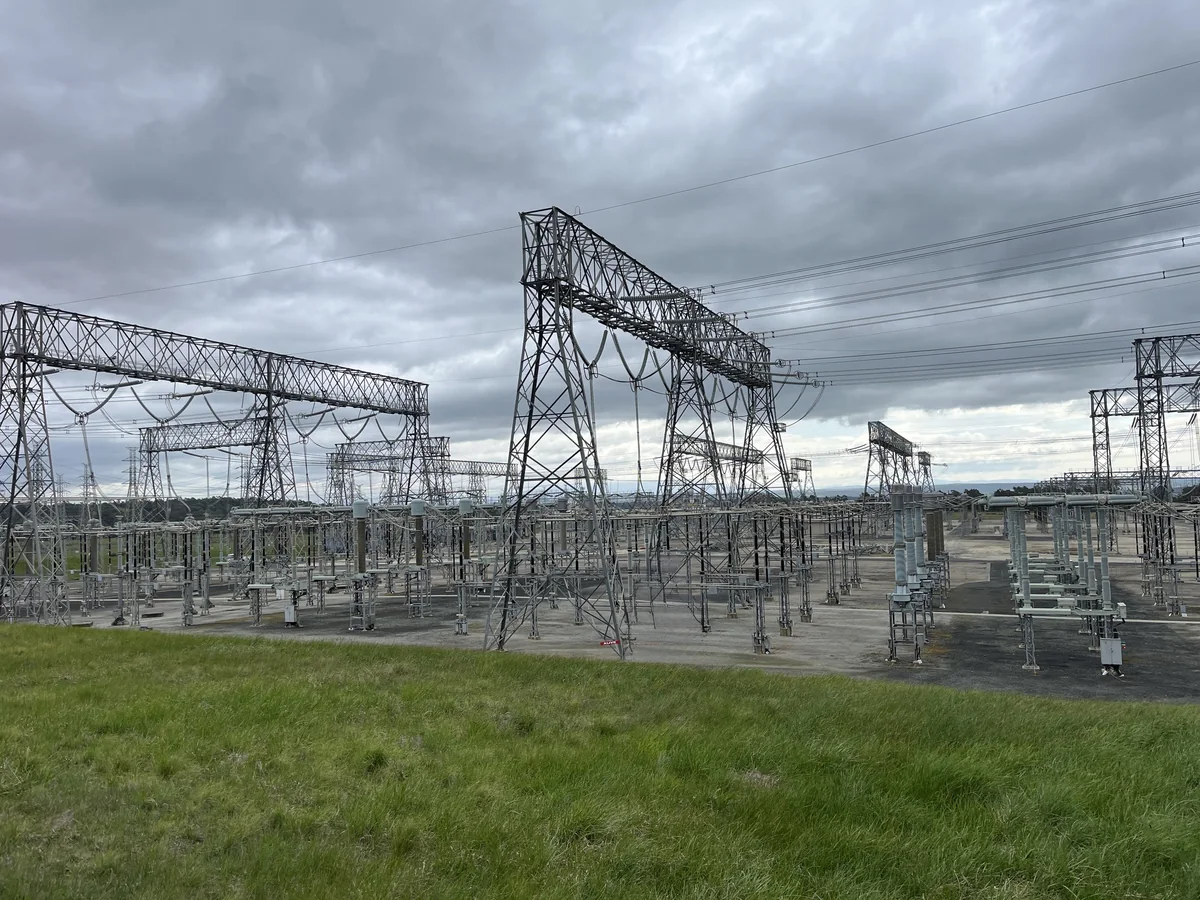
Hazelwood Terminal Station
Geotechnical investigation, thermal testing and coordination of specialist electrical resistivity and environmental inputs for proposed terminal-station works.
Hazelwood North, Victoria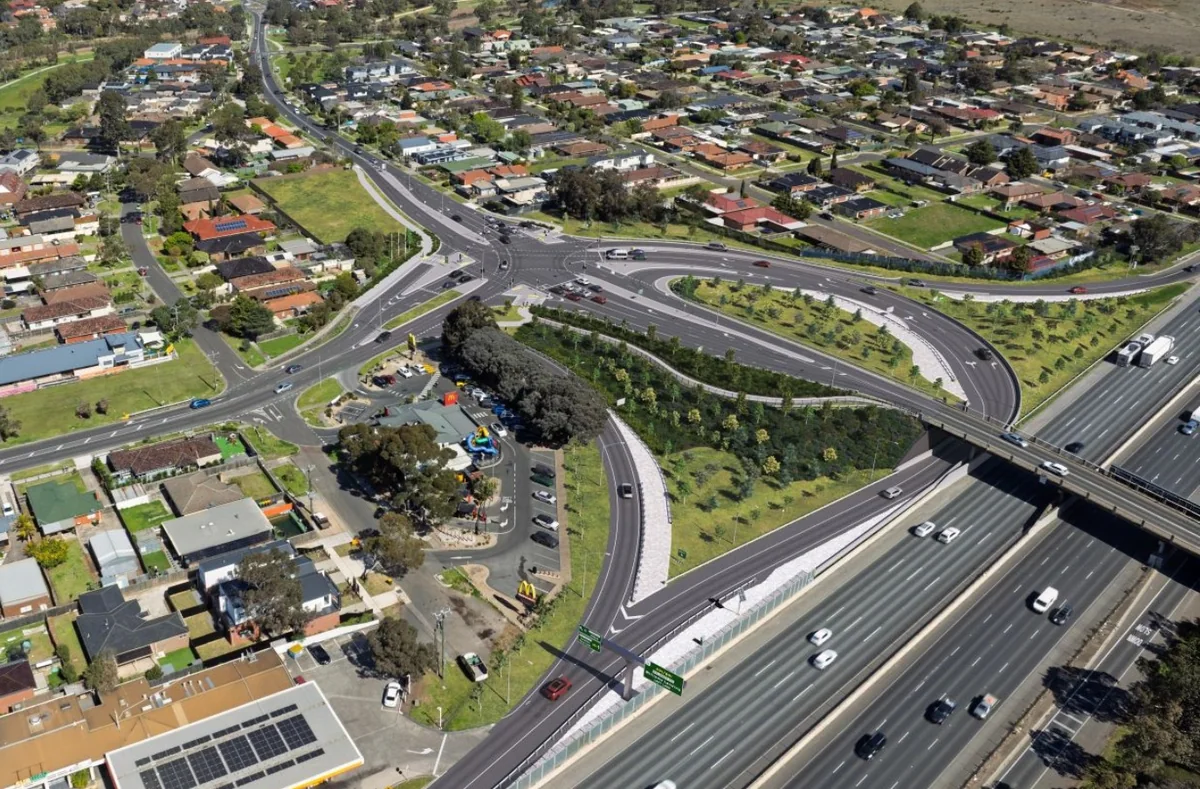
Point Cook Intersection Upgrade
Soil and rock investigation, night drilling and pavement-related testing to support the design team for a major intersection upgrade in Melbourne’s west.
Altona Meadows, Victoria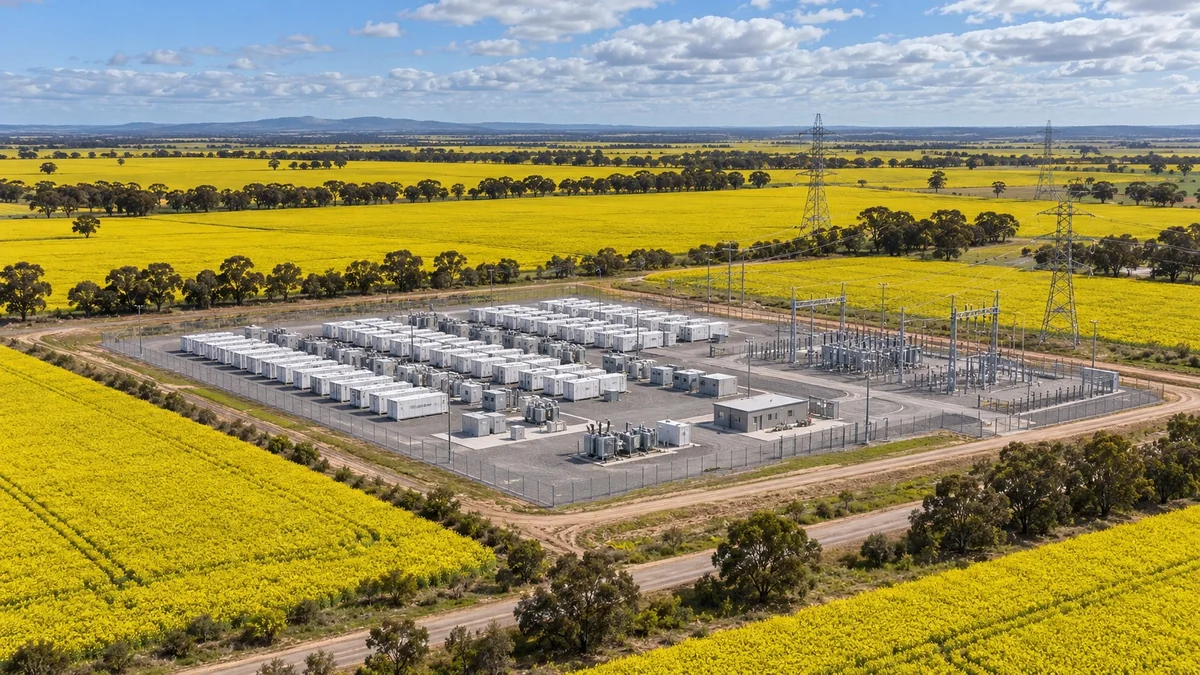 AI-generated illustration
Joel Joel BESS
Ground investigation and interpretation for a Victorian battery-storage project, with attention to earthworks materials, foundation behaviour and soil thermal properties.
Joel Joel, Victoria