
Instrumentation and Monitoring
A clear connection between measured ground behaviour, engineering interpretation and the decisions your project needs to make.
Request a quoteYarra Geotechnics helps project teams monitor ground, groundwater and structural behaviour during construction and throughout the life of an asset. We develop monitoring scopes and interpret the results to support engineering decisions. Each programme defines the measurements, baseline readings and reporting needed for the site, with installation, survey and specialist services coordinated to suit the project.
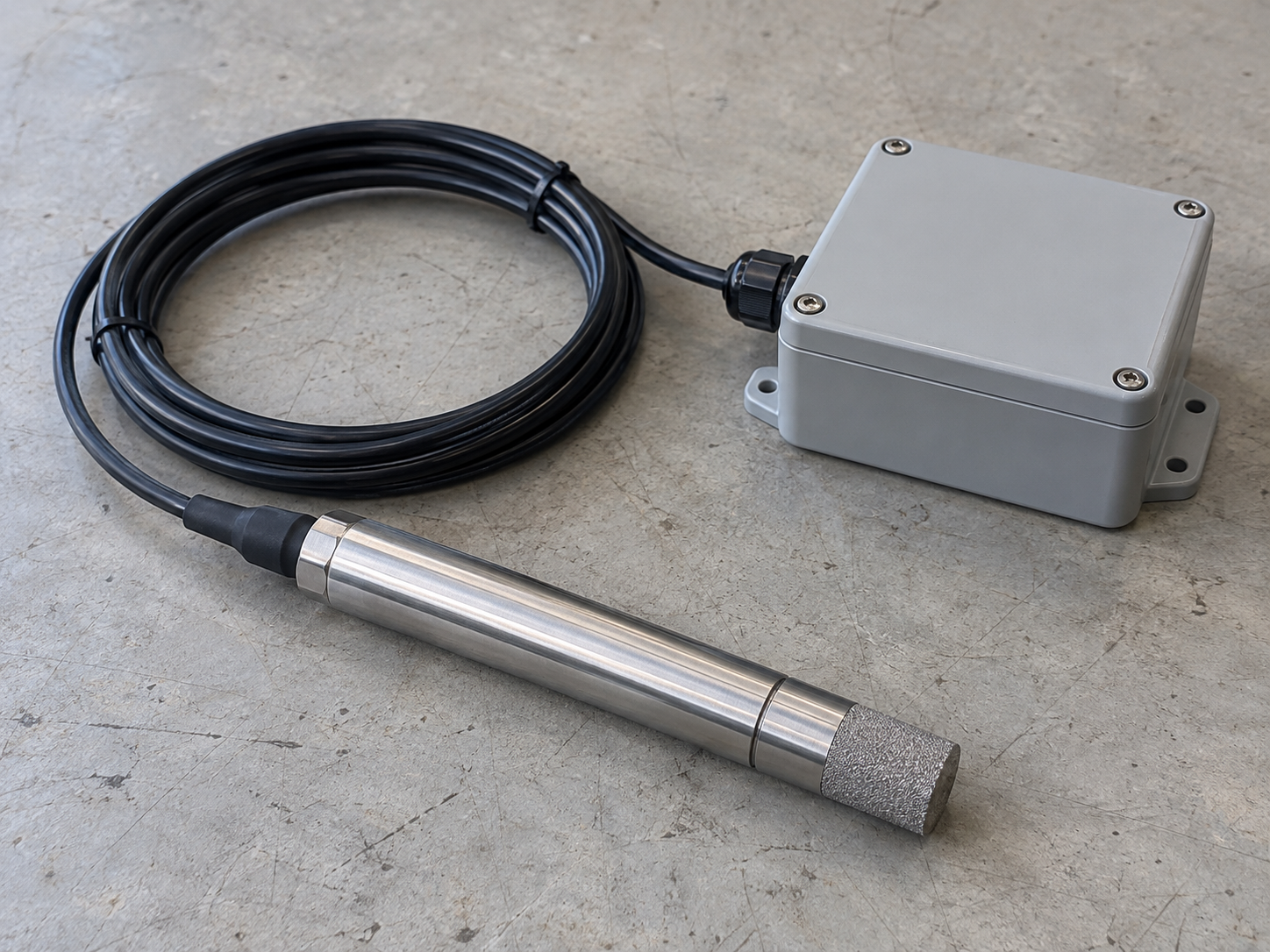
Groundwater monitoring
Groundwater levels and pressures can change with rainfall, drainage and nearby construction. Monitoring helps assess these changes and their implications for excavations, slopes and foundations.
We define the information needed for the project and review readings alongside the ground profile and site activities. Monitoring locations and reading intervals are selected to suit the conditions being assessed.
Ground movement and settlement
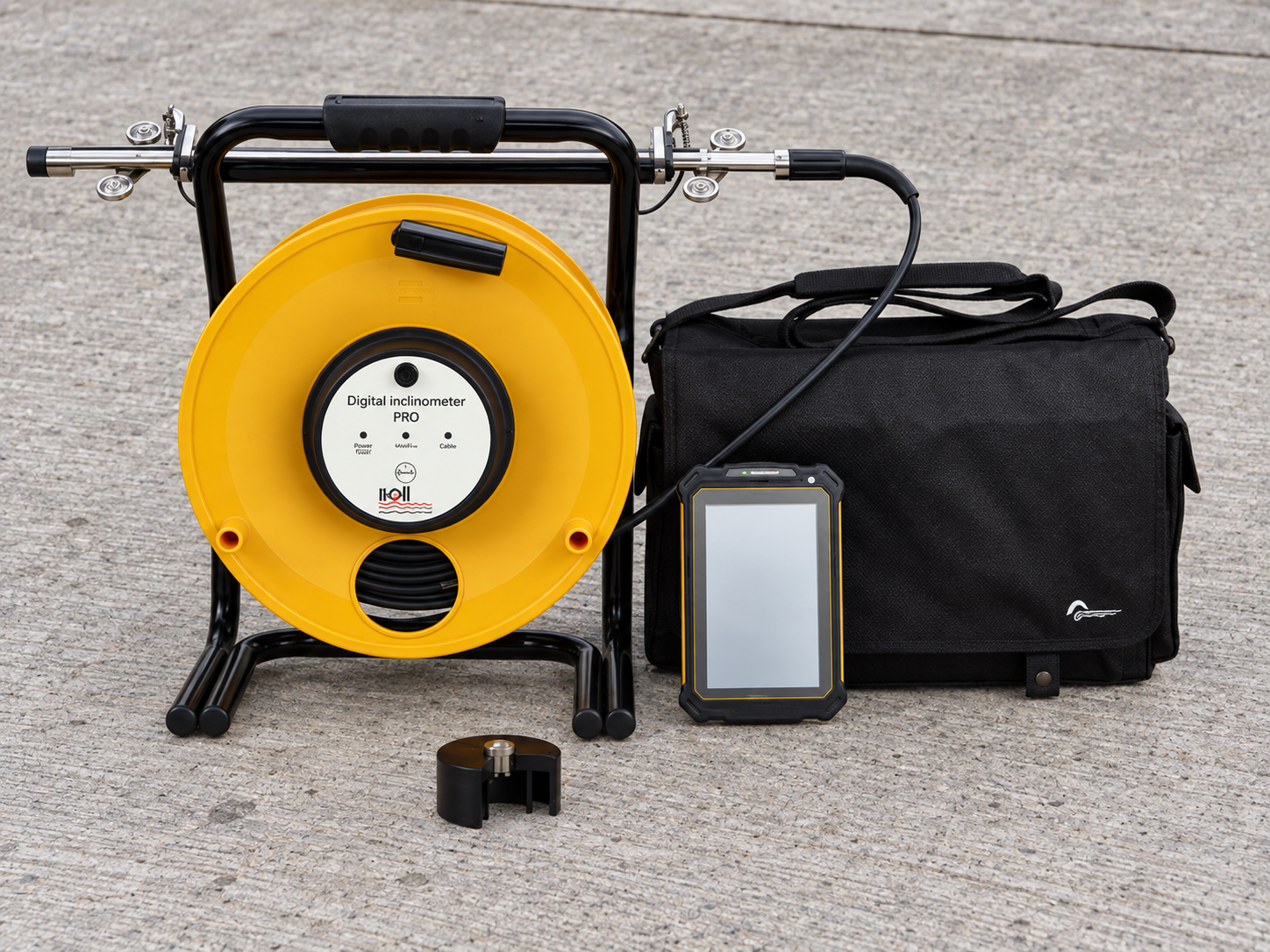
Filling, excavation and changes in loading can cause the ground to settle, rise or move sideways. Monitoring establishes how much movement is occurring and whether its rate is changing.
Baseline readings provide a starting point for comparison. We assess subsequent measurements against the expected ground response, considering the construction sequence and any changes observed on site.
Structural movement monitoring
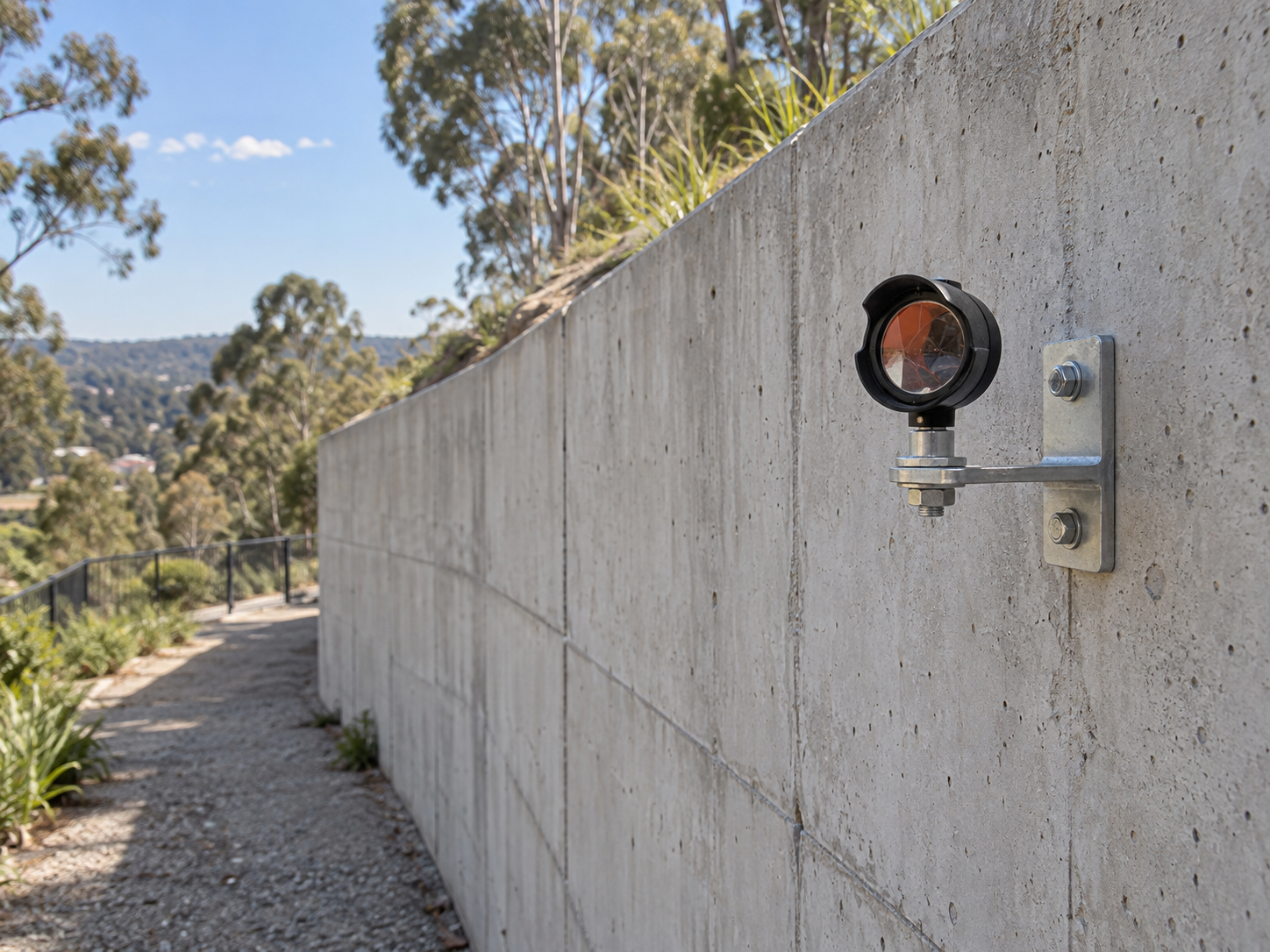
Monitoring of buildings, retaining walls and other structures can help identify changes in position, tilt or cracking during nearby works or over a longer period.
The monitoring arrangement focuses on the parts of the structure relevant to the concern. Results are considered with the ground conditions and construction activities, with findings communicated to the project team and structural designer where required.
Slope and excavation monitoring
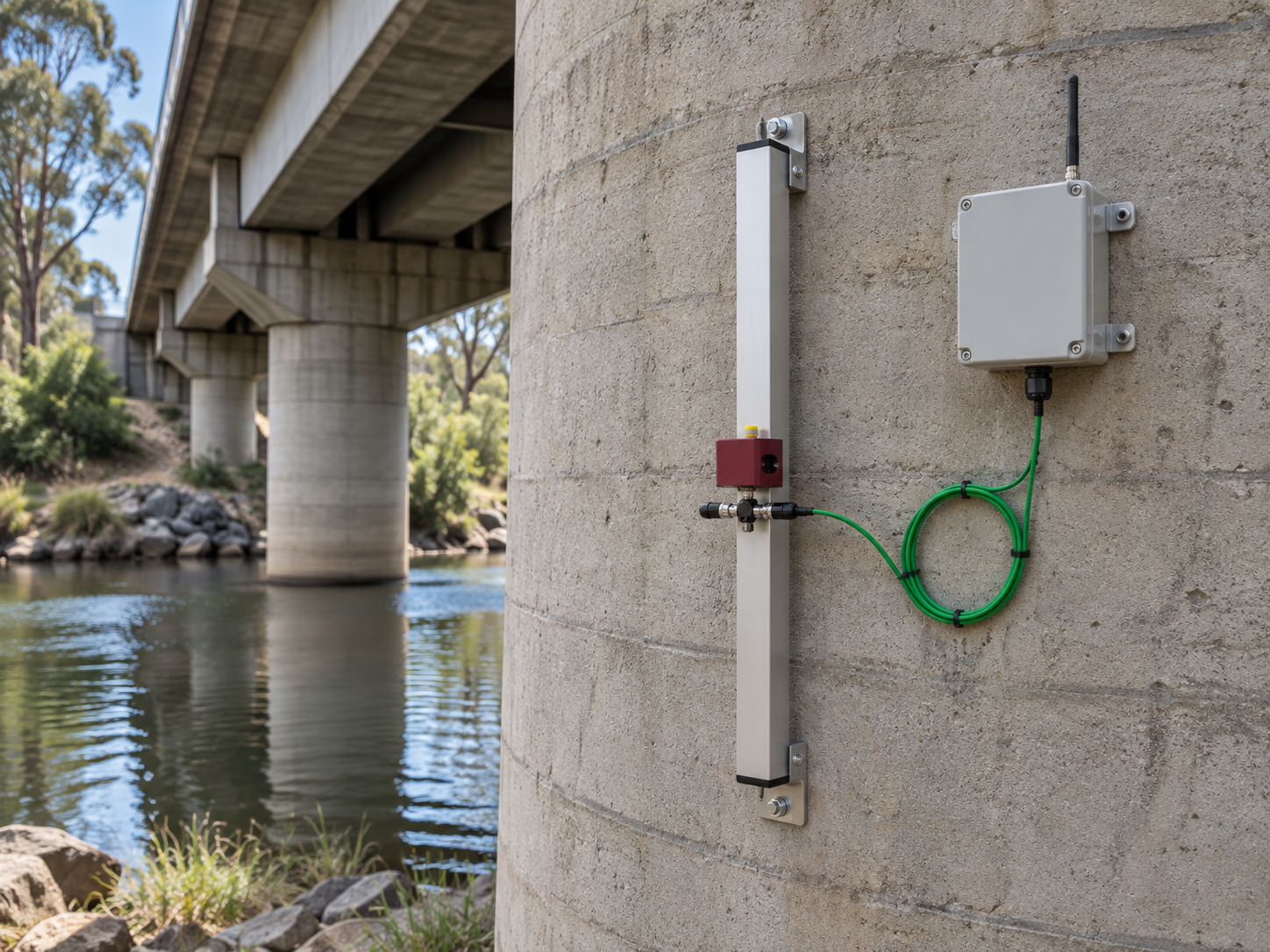
Movement observations and groundwater readings help assess how a slope, excavation or retaining system is responding as work progresses.
We relate the measurements to the ground conditions, expected behaviour and stage of construction. The monitoring plan sets out the reading frequency and agreed reporting arrangements, including how a change requiring further assessment will be brought to the project team’s attention.
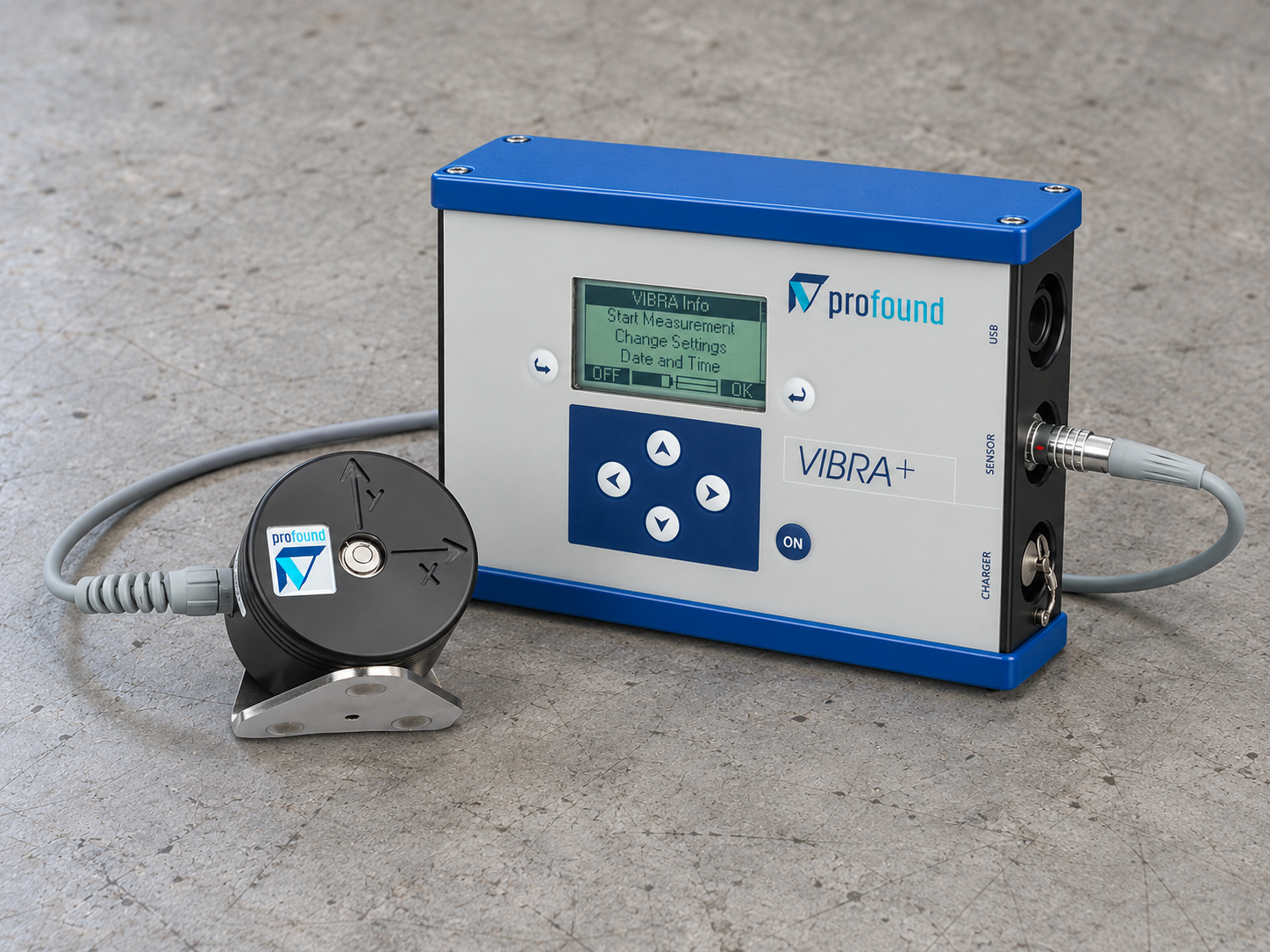
Vibration monitoring
Piling, excavation, compaction and other construction activities can cause vibration at nearby buildings and infrastructure. Monitoring records the vibration associated with these activities at selected locations.
The locations, monitoring period and assessment criteria are agreed for the project. Results are reviewed with the site activity records to help identify sources and assess whether changes to the works should be considered.
Data logging and remote monitoring
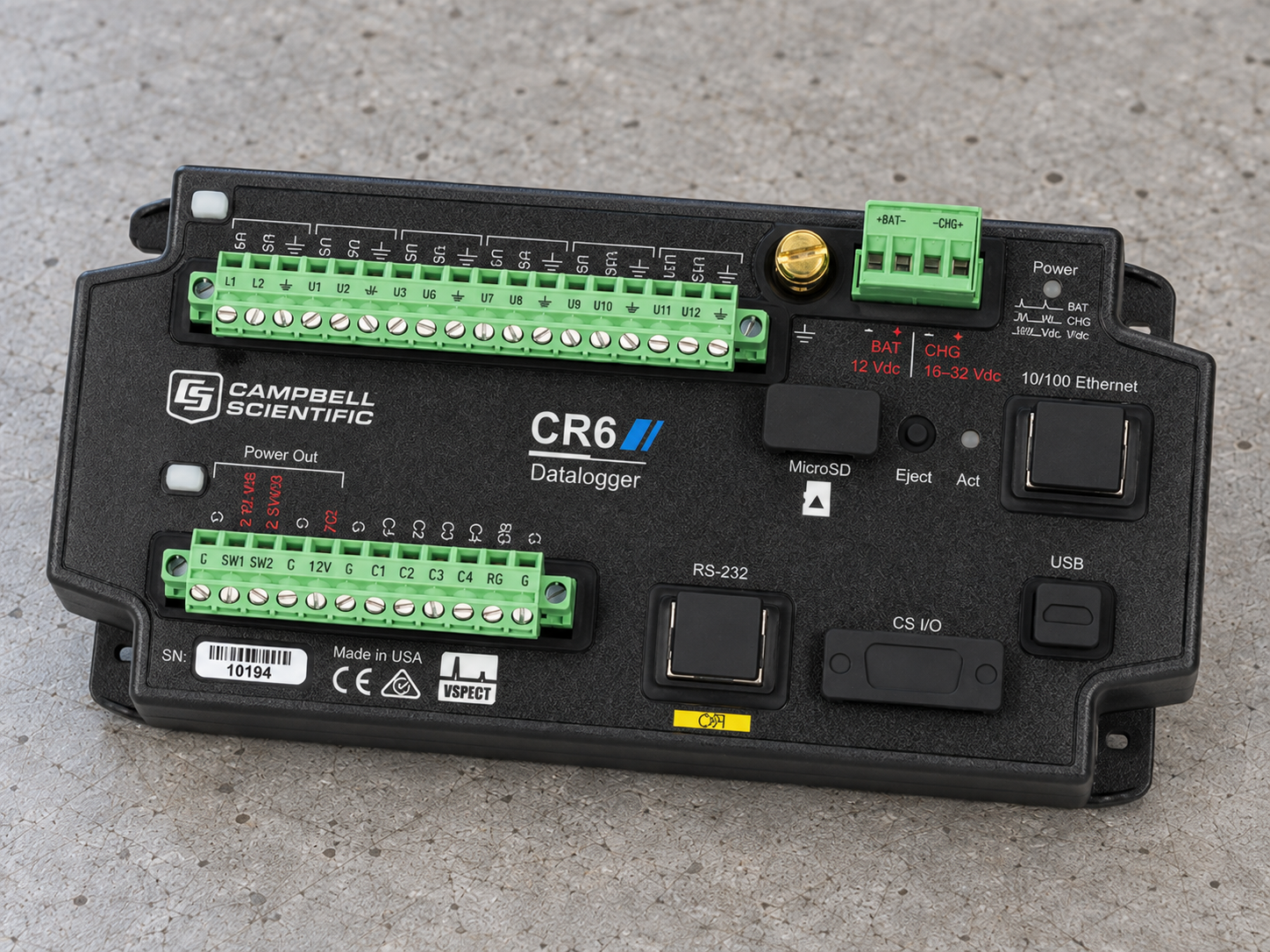
Automated recording and remote access to readings can be useful where changes need to be tracked between site visits or over extended periods.
The system is selected to suit the instruments, site access, power and communications available. Data checks, maintenance and notification arrangements are established at the outset, with specialist installation and data services coordinated where required.
Data interpretation and reporting
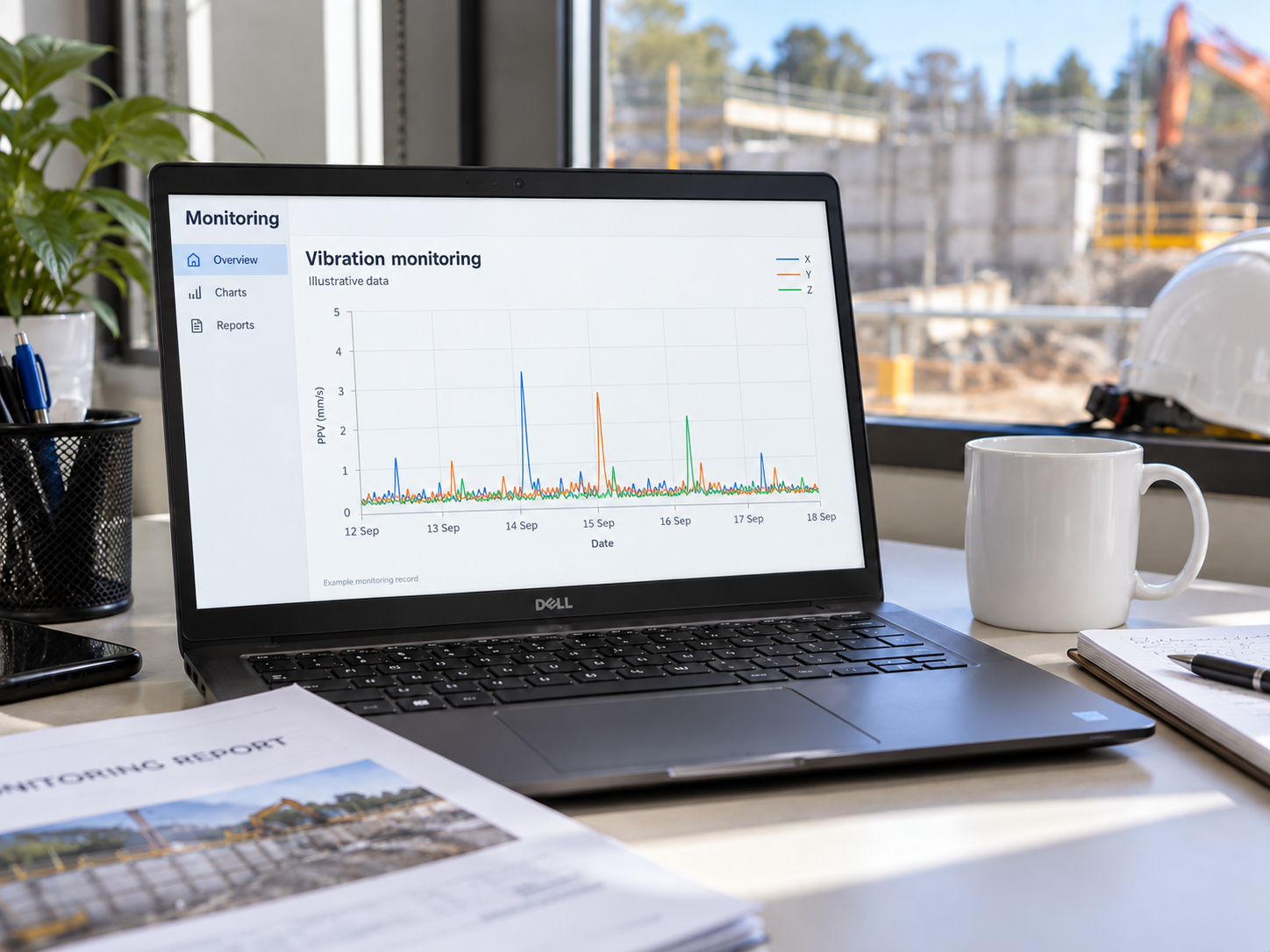
We bring the monitoring records together, check their consistency and explain what the results mean for the project. Readings are assessed against the baseline, design expectations and changes in site conditions.
Reports distinguish individual readings from sustained trends and highlight any gaps or uncertainties. Where agreed trigger levels are used, the plan identifies who receives notifications and who is responsible for reviewing the findings and deciding on a response. Automated notifications support these arrangements; engineering review remains a separate step.
Site Investigation and Characterisation
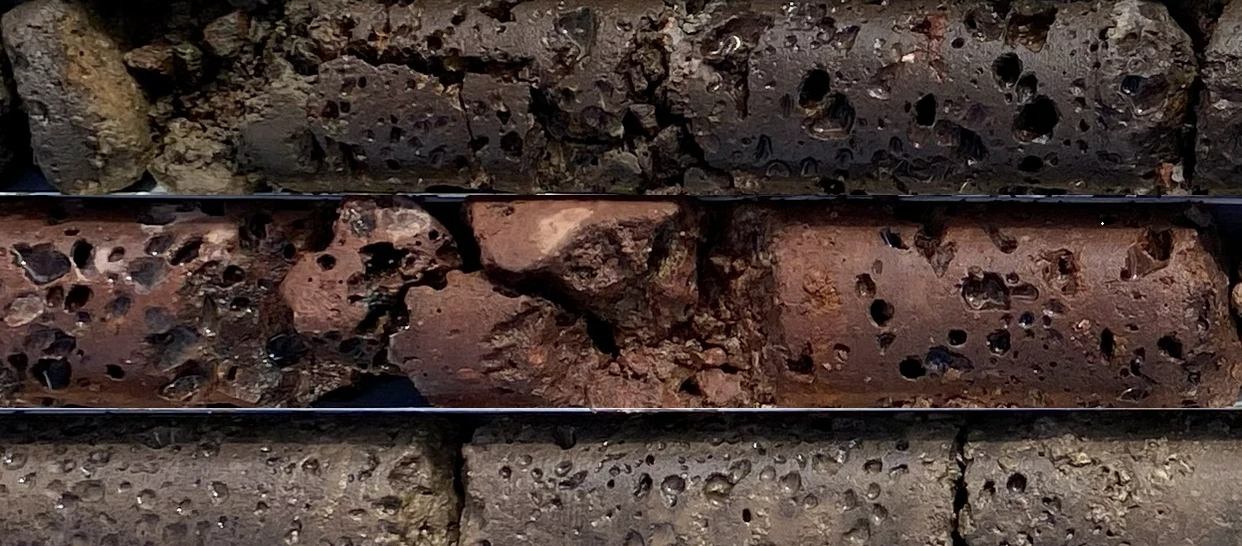
Ground investigations and testing to characterise soil, rock and groundwater conditions.
Geotechnical Analysis and Design
Foundation, retaining structure, slope and temporary works design informed by ground behaviour.
Construction Phase Support
Geotechnical inspections, testing and advice during construction.